
Business
“Jephte Bastien: Crafting Cinema, Challenging Norms, and Championing Authentic Stories”
Jephte Bastien, a multifaceted director, producer, creator, and editor, has carved a unique path in the film industry. From his humble beginnings in Haiti to his groundbreaking work in cinema, Jephte’s journey is a testament to resilience, creativity, and an unyielding passion for storytelling. In a recent interview, Jephte shared insights into his life, inspirations, and the challenges he has faced as a filmmaker.

Early Beginnings: A Childhood of Creativity
Jephte’s love for storytelling began in his childhood. Growing up in Haiti, he would cut out paper silhouettes, align them with thread, and use a flashlight to project characters onto a makeshift screen. This early form of shadow puppetry allowed him to mimic voices and create stories, laying the foundation for his future in filmmaking. Music also played a significant role in his upbringing. As the seventh of nine boys in a large Christian family, Jephte started singing in church at the age of five. His family’s tradition of entertaining one another—through poetry, singing, and dancing—fostered his creative spirit.

Haiti: A Source of Inspiration
Haiti holds a special place in Jephte’s heart. Despite the media’s often negative portrayal of the country, Jephte describes it as a paradise filled with vibrant culture, music, and natural beauty. His early memories of Haiti are filled with joy—playing games, eating mangoes straight from the trees, and forming lifelong friendships. When his family moved to Canada, Jephte struggled with homesickness and depression. Haiti became a recurring theme in his dreams, a place he would revisit mentally to find solace and inspiration. Even as an adult, he traveled back to Haiti frequently, using the trips to rejuvenate his creative energy.
The Church and Early Questions
Growing up in a religious household, Jephte was deeply involved in the church. However, he began to question the narratives he was taught, particularly the lack of representation of Black people in religious imagery. These early questions about identity and representation would later influence his work as a filmmaker. Jephte’s departure from the church was not a rejection of faith but a search for truth and authenticity in storytelling.
A Journey to New York and Beyond
Jephte’s pursuit of his passion led him to New York in the 1990s, where he studied theater despite his parents’ wishes for him to become a lawyer. This decision marked the beginning of his independent journey. He worked tirelessly to pay for his education, immersing himself in the arts and honing his craft. After returning to Montreal, Jephte faced the harsh realities of the film industry. Despite his talent, opportunities were scarce, especially for a Black filmmaker in the 90s. Determined to tell his own stories, Jephte enrolled in film school, where he began to develop his unique voice.
Breaking Barriers in Filmmaking
Jephte’s career is marked by a series of groundbreaking projects. One of his early successes was editing a music video for the song “Due to the Interest” by Garou. Despite the director’s inexperience, Jephte stepped in to manage the set, ensuring the project’s success. The video became a buzz clip, earning praise from industry heavyweights like Luc Plamondon. However, Jephte’s refusal to accept a $2,000 bonus from the director highlighted his commitment to integrity over financial gain.
In 2003, Jephte produced “Haiti Through My Eye,” a docu-series that showcased Haiti’s rich culture and history. The project was a critical success and opened doors for future opportunities, including funding for his feature film “Exit 67.” Despite the challenges of securing funding and navigating the industry’s systemic barriers, Jephte remained steadfast in his mission to tell authentic stories.
The Draft: A Powerful Vision
One of Jephte’s most ambitious projects is “The Draft,” a film about a young Black hockey player whose dreams are shattered by a brutal act of racism. The story follows his journey as he mentors his younger brother, offering a new paradigm for success. Jephte describes “The Draft” as the most powerful film he has ever written, a project that challenges the status quo and highlights the resilience of marginalized communities.
However, the production of “The Draft” was not without its challenges. Jephte faced significant obstacles, including interference from unions and a lack of support from industry institutions, except Telefilm and Harold Greenberg Fund, who supported the project from the beginning. Despite these hurdles, he remained committed to the project, pouring his own resources and energy into bringing his vision to life.
The Struggles of an Independent Filmmaker
Jephte’s experiences shed light on the difficulties faced by independent filmmakers, particularly those from underrepresented communities. In Canada, the film industry is heavily reliant on government funding, which often comes with strict quotas and limitations. Jephte has faced numerous rejections and setbacks, including being blacklisted by medias after an interview. Despite these challenges, he continues to create, driven by his passion for storytelling and his desire to challenge societal norms.
A Legacy of Resilience
Jephte Bastien’s journey is a testament to the power of perseverance and creativity. From his early days in Haiti to his groundbreaking work in film, he has remained true to his vision, using his art to challenge stereotypes and inspire change. As he continues to work on “The Draft” and other projects, Jephte’s legacy serves as a reminder of the importance of representation and the enduring power of storytelling.





Business
From “Killing Me Softly” to a Federal Sentence: The Pras Michel Saga and the Peril at the Intersection of Music and Politic.
This is more than just the fall of a celebrity;

Business
My Hair Is Killing Me: Examining the Health Impact of Synthetic Braiding Hair on Black Women
Black women report symptoms that go far beyond mild irritation.
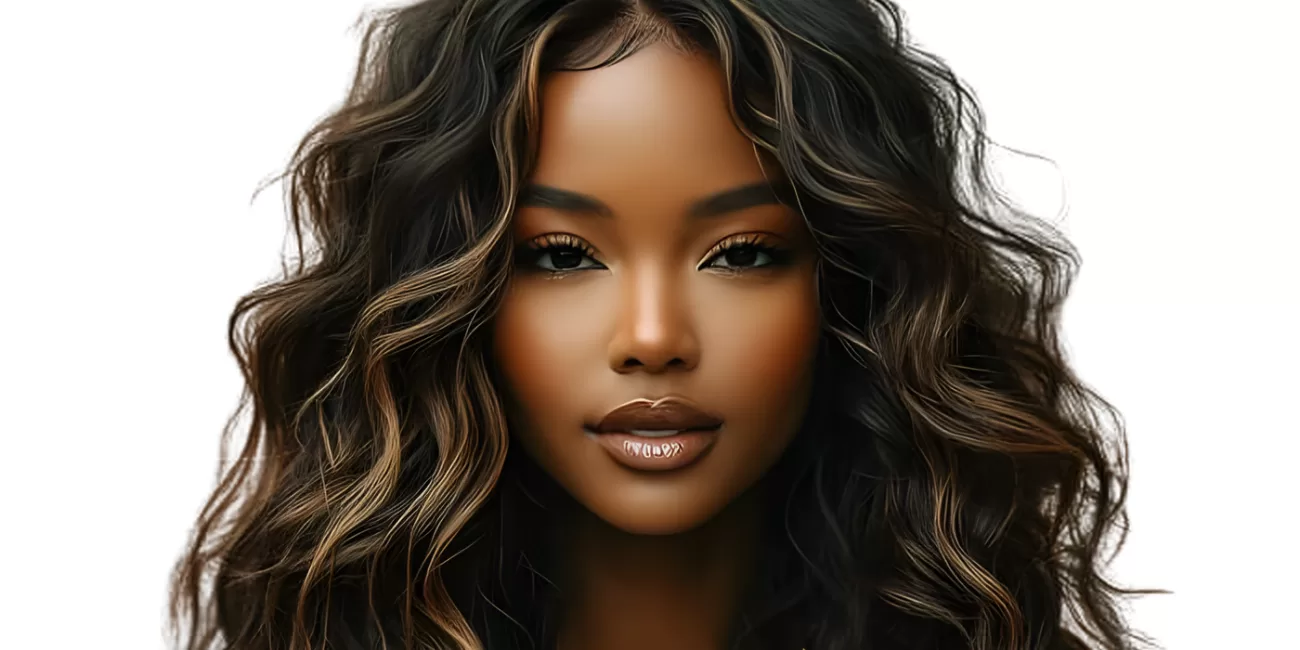
For generations, braided hairstyles have been a cornerstone of Black culture, symbolizing everything from social status and kinship to personal expression and resilience. The use of synthetic braiding hair has made these protective styles more accessible and affordable than ever. However, in recent years, a growing number of women have reported concerning reactions to the hair, leading to urgent questions about its safety.
This article delves into the potential health impacts of synthetic braiding hair, examining the ingredients, the reported issues, and the crucial recommendations for making safer choices.
The Problem: More Than Just Itchy Scalp
While a little itching when first installing braids is common, many Black women report symptoms that go far beyond mild irritation. These can include:
- Severe Scalp Dermatitis: Intense itching, redness, swelling, and flaking.
- Bumps and Blisters: Painful, pus-filled bumps (folliculitis) along the hairline and parts.
- Hair Loss: Traction alopecia from the style’s tightness, compounded by inflammation that can weaken hair follicles.
- Scalp Burns and Sores: A sensation of the scalp “burning” or “crawling,” sometimes leading to open sores.
- Allergic Reactions: Swelling of the face, eyelids, and ears.
These reactions are not just anecdotal. A 2022 study published in the Journal of the American Academy of Dermatology identified a specific pattern of allergic contact dermatitis directly linked to synthetic braids, dubbing it the “Kanekalon phenomenon,” after a popular brand of braiding hair.
The Culprits: What’s in the Hair?
Synthetic braiding hair is typically made from modacrylic, a polymer derived from acrylonitrile and vinyl chloride. The hair itself is not the only concern; the chemical coatings and dyes used to give it a more natural look and feel are often the primary triggers.
The main suspects causing adverse reactions are:
- Formaldehyde: Perhaps the most alarming ingredient. Formaldehyde or formaldehyde-releasing preservatives are sometimes used in the coating of synthetic hair to prevent mildew during shipping and storage. Formaldehyde is a known sensitizer and a Group 1 carcinogen, meaning it is proven to cause cancer in humans. Direct, prolonged scalp contact can cause severe allergic reactions and skin irritation.
- Acrylates: These plastics are used to seal the ends of the hair when you dip them in hot water. They are also common allergens and can cause significant contact dermatitis.
- Dyes and Colorants: The vibrant colors of synthetic hair come from dyes that can contain heavy metals or other chemicals that some individuals are sensitive to.
- Plasticizers: Chemicals added to make the plastic fibers more flexible can also leach out and irritate the skin.
The Cancer Question: Are Synthetic Braids Carcinogenic?
This is the most serious concern. The direct answer is: There is no conclusive scientific evidence that wearing synthetic braids causes cancer.

However, the concern is not unfounded and stems from the ingredients:
- Vinyl Chloride, a component of modacrylic fiber, is a known human carcinogen.
- Formaldehyde, sometimes found as a contaminant, is a known human carcinogen.
The critical distinction is between ingestion/inhalation and skin contact. The cancer risks for these chemicals are primarily associated with long-term, high-level inhalation (as seen in factory workers) or ingestion. The risk from dermal (skin) absorption through the scalp is considered significantly lower and not well-studied.
While the risk of developing cancer from occasional braid wear is likely very low, the potential presence of known carcinogens in a product worn on the head for weeks at a time is a valid cause for caution and demands greater transparency and regulation.
Recommendations for Safer Styling
You don’t have to give up braids entirely. Informed choices and proper practices can dramatically reduce the risk of a reaction.
1. Pre-Installation: The “Prep & Test” Ritual
- WASH THE HAIR: This is the single most important step. Before installation, soak the synthetic hair in a mixture of apple cider vinegar and water for 15-30 minutes, then rinse thoroughly. Follow this by washing the hair with a clarifying shampoo to remove surface chemicals, dyes, and residues. Let it air dry completely.
- CONDUCT A PATCH TEST: Tape a small strand of the washed and dried synthetic hair to the skin behind your ear or on your inner arm. Leave it for 24-48 hours. If you see any redness, itching, or swelling, do not use that hair.
2. Smart Shopping: Choosing Better Hair
- Look for “Hypoallergenic” Brands: Some brands now specifically market themselves as free of formaldehyde and other common irritants. They may be more expensive, but your health is worth the investment.
- Opt for Sealed Packages: Hair sold in sealed packaging is less likely to be contaminated with dust, mold, or other environmental irritants compared to bulk, open-hair.
- Consider Human Hair or Heat-Friendly Synthetics: While more costly, human hair braids eliminate the risk of synthetic chemical reactions. “Heat-friendly” synthetic hair often has a different coating that may be less irritating, though it should still be washed.
3. During and After Installation
- Communicate with Your Stylist: Advocate for yourself. Ensure your stylist does not braid too tightly, as this can cause traction alopecia and force the hair fibers deeper into irritated follicles.
- Moisturize Wisely: Use a light, water-based moisturizer on your scalp and natural hair. Avoid heavy oils and butters that can trap bacteria and residue against the scalp.
- Don’t Wear Styles Too Long: 6-8 weeks is the general maximum. Wearing braids for longer increases the risk of buildup, matting, and prolonged exposure to any remaining irritants.
- Listen to Your Body: If your scalp is burning, intensely itchy, or developing painful sores, do not “tough it out.” Take the braids out immediately and consult a dermatologist.
Conclusion
Synthetic braiding hair is a cultural and practical staple, but its potential health impacts cannot be ignored. While not definitively cancer-causing, the presence of harsh chemicals and known allergens poses a real risk for severe skin reactions.
The power lies in informed consumerism. By demanding cleaner products from manufacturers, washing hair before use, and listening to our bodies, Black women can continue to celebrate the beauty and convenience of braided styles without compromising their health. The choice to wear braids should be one of empowerment, not one that leads to pain and distress.
Business
The Harajuku Barbie Dynasty: The Eternal Reign of Queen Nicki
Nicki Minaj’s Unrivaled Reign and the Anticipation for ‘Pink Friday 2’


From “Killing Me Softly” to a Federal Sentence: The Pras Michel Saga and the Peril at the Intersection of Music and Politic.

My Hair Is Killing Me: Examining the Health Impact of Synthetic Braiding Hair on Black Women

The Harajuku Barbie Dynasty: The Eternal Reign of Queen Nicki


-
 Business3 years ago
What Genre of Music Suits My Voice? How To Find Your Vocal Style
-
Business4 years ago
The Day Jordin Sparks Stopped Singing
-
Business3 years ago
CHRIS BROWN: The Top Recording Artist ALIVE [Vocal Range]
-
Business4 years ago
Benefits of Joining a Choir
-
Business4 years ago
Chris Brown’s 12th Studio Album “Breezy”
-
Business4 years ago
Falsetto: The enduring love affair with the soaring male voice.
-
Business4 years ago
Food for Singers: The Diva Diet
-
Business4 years ago
Shakira joins forces with Puerto Rican rapper Rauw Alejandro


