
Fashion
Fenty Beauty: How make-up helped Rihanna become a billionaire
When Rihanna released her single …Better Have My Money in 2015, you might have thought she was talking about royalties from No.1 hits like We Found Love or Diamonds.

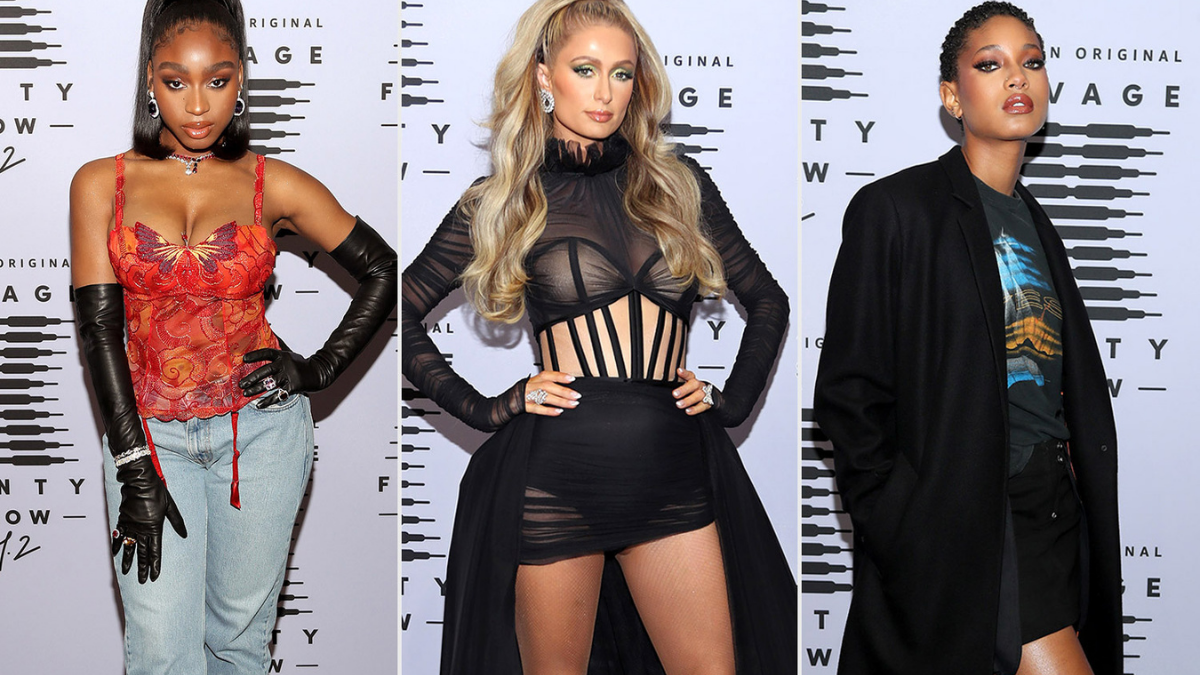
But it’s the income she makes from her Fenty Beauty cosmetics company that was largely responsible for her officially becoming a billionaire last week.
Rihanna, 33, launched Fenty Beauty in 2017 in a partnership with luxury goods company LVMH (Moët Hennessy Louis Vuitton).
Radio 1 Newsbeat has been speaking to beauty experts to find out the secrets to Fenty’s massive success.
‘Diversity with no barriers up’
Rihanna said the aim of Fenty was to appeal to “every type of woman” with “all skin tones”.
“In every product I was like: ‘There needs to be something for a dark-skinned girl; there needs to be something for a really pale girl; there needs to be something in-between,'” she told Refinery29 in 2017.
That commitment is what stands out for beauty writer Jessica Morgan.
“Rihanna’s approached diversity with no barriers up. She ensured there were plenty of ranges across the board that were accessible to everyone,” the 28-year-old says.
 IMAGE SOURCE,GETTY IMAGES
Fenty foundation is now offered in 50 shades and has led to the so-called “Fenty effect” where rival brands broadened their shade ranges for make-up products.
Jessica uses foundation from the range, and says though it shouldn’t have felt like it at the time, it was “revolutionary” when it launched in 2017.
“I was able to find the exact shade match to my skin, which has been the bane of my life since I was born,” she says.
“There are other brands who have championed diversity, but this was something fresh that Fenty really brought on.”
 IMAGE SOURCE,INSTAGRAM/JESSICA MORGAN
It wasn’t just about the darker shades either.
“I remember some of my friends who were super pale growing up and their foundation always had an orange hue,” says Chinazo Ufodiama, who hosts the Unpretty podcast.
“[Rihanna] was like: ‘Hey pale sisters, I’ve got you too.'”
Fenty was one of the first brands not to market their make-up exclusively to women too.
“The whole idea of not targeting beauty and fragrance to a particular gender has really taken off,” beauty journalist Amber Graffland says.
“The old-fashioned idea of a beauty hall for affluent women of a certain age is dead and buried.”

The rise and rise of Fenty Beauty
Rihanna is worth $1.7bn (£1.2bn), with an estimated $1.4bn coming from the value of Fenty Beauty.
Forbes – the business magazine that announced she’d become a billionaire – says she owns 50% of the cosmetics company.
The star launched Fenty Beauty in 1,600 stores across 17 countries in 2017.
The company reportedly made $100m (£72m) in its first 40 days.
It makes more money than other celebrity-founded beauty brands such as Kylie Jenner’s Kylie Cosmetics, Kim Kardashian’s KKW Beauty and Jessica Alba’s Honest Company, Forbes says.
The rest of Rihanna’s fortune mostly comes from her stake in her lingerie company, Savage X Fenty, worth an estimated $270m (£194m), and her earnings from music and acting.
Jessica, who lives in London, was at one of Fenty’s UK launches at the Harvey Nichols luxury department store.
She says at the time people felt it might be an exclusive brand. And while Fenty’s not the cheapest make-up on the shelves, it is available in high-street shops such as Boots.
This is one of its main selling points for Jessica.
She used to live in Southend and says, with “limited shades” to match her skin, finding the right foundation often involved long trips to department stores in London.
But Fenty wasn’t the first brand to offer a range of darker shades.
“It’s not new, to be honest. When it launched I didn’t feel like ‘oh finally’ at all”, Chinazo says.
“I’d already found my foundation – I’m very much married to Bobbi Brown.”
But Chinazo, who’s from Wakefield but lives in Hackney, admits having a brand with more shades to offer is definitely more convenient.
“Not having to have that experience of going to a department store’s beauty hall and trying every single brand to try and find your perfect shade – that’s almost taken away by the fact that you can just go to the Fenty counter.”
 IMAGE SOURCE,GETTY IMAGES
Cruelty-free ethics
Fenty’s website states it’s a cruelty-free brand that doesn’t test products or ingredients on animals.
Amber says it “really has led the way”, showing up bigger brands as “out of touch” for not acting sooner.
“Consumers are more savvy and knowledgeable than ever. They shop around and only put their money where their heart is – and it’s clearly in cruelty-free, diverse, inclusive brands,” she says.
Jessica adds that the cruelty-free label is a great marketing strategy because it keeps it out of the limelight for controversy-loving social media users.
“Being in 2021, there’s no excuse to not have all those ethical elements in your products.”
‘It feels like you’re part of a gang’
Fenty’s social media strategy also makes it stand out from the crowd, Chinazo says.
“It almost reminds me of the days where I was getting ready with my girls before a night out and we were passing around make-up – that’s how it feels when you’re scrolling through that Instagram feed.”
Amber agrees Fenty’s social media game has made it shine.
“Fenty was the first brand to really rip up the rule book and talk to a generation in the way they wanted to be spoken to.”
The Rihanna factor
It’s hard to discount the star power of Rihanna in making Fenty a business phenomenon.
While many fans have been waiting eagerly since 2016 for new music, a quick look at her Instagram page with 103 million followers shows more Fenty than music.

“I think what people really love about her is the connection to the brand. You can see she uses and speaks about the products in a really authentic way,” says Jessica.
And in case you missed it, Rihanna’s just added a perfume to her Fenty collection.
It seems becoming a billionaire hasn’t stopped her entrepreneurial drive.



Business
My Hair Is Killing Me: Examining the Health Impact of Synthetic Braiding Hair on Black Women
Black women report symptoms that go far beyond mild irritation.
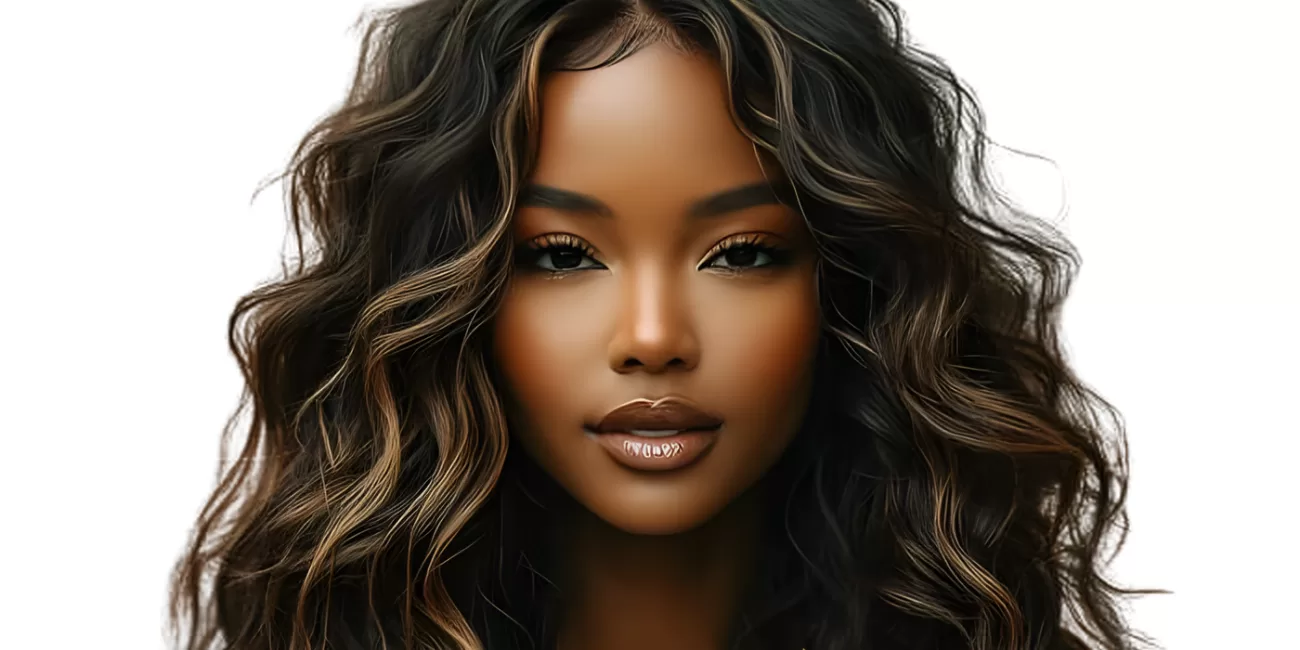
For generations, braided hairstyles have been a cornerstone of Black culture, symbolizing everything from social status and kinship to personal expression and resilience. The use of synthetic braiding hair has made these protective styles more accessible and affordable than ever. However, in recent years, a growing number of women have reported concerning reactions to the hair, leading to urgent questions about its safety.
This article delves into the potential health impacts of synthetic braiding hair, examining the ingredients, the reported issues, and the crucial recommendations for making safer choices.
The Problem: More Than Just Itchy Scalp
While a little itching when first installing braids is common, many Black women report symptoms that go far beyond mild irritation. These can include:
- Severe Scalp Dermatitis: Intense itching, redness, swelling, and flaking.
- Bumps and Blisters: Painful, pus-filled bumps (folliculitis) along the hairline and parts.
- Hair Loss: Traction alopecia from the style’s tightness, compounded by inflammation that can weaken hair follicles.
- Scalp Burns and Sores: A sensation of the scalp “burning” or “crawling,” sometimes leading to open sores.
- Allergic Reactions: Swelling of the face, eyelids, and ears.
These reactions are not just anecdotal. A 2022 study published in the Journal of the American Academy of Dermatology identified a specific pattern of allergic contact dermatitis directly linked to synthetic braids, dubbing it the “Kanekalon phenomenon,” after a popular brand of braiding hair.
The Culprits: What’s in the Hair?
Synthetic braiding hair is typically made from modacrylic, a polymer derived from acrylonitrile and vinyl chloride. The hair itself is not the only concern; the chemical coatings and dyes used to give it a more natural look and feel are often the primary triggers.
The main suspects causing adverse reactions are:
- Formaldehyde: Perhaps the most alarming ingredient. Formaldehyde or formaldehyde-releasing preservatives are sometimes used in the coating of synthetic hair to prevent mildew during shipping and storage. Formaldehyde is a known sensitizer and a Group 1 carcinogen, meaning it is proven to cause cancer in humans. Direct, prolonged scalp contact can cause severe allergic reactions and skin irritation.
- Acrylates: These plastics are used to seal the ends of the hair when you dip them in hot water. They are also common allergens and can cause significant contact dermatitis.
- Dyes and Colorants: The vibrant colors of synthetic hair come from dyes that can contain heavy metals or other chemicals that some individuals are sensitive to.
- Plasticizers: Chemicals added to make the plastic fibers more flexible can also leach out and irritate the skin.
The Cancer Question: Are Synthetic Braids Carcinogenic?
This is the most serious concern. The direct answer is: There is no conclusive scientific evidence that wearing synthetic braids causes cancer.

However, the concern is not unfounded and stems from the ingredients:
- Vinyl Chloride, a component of modacrylic fiber, is a known human carcinogen.
- Formaldehyde, sometimes found as a contaminant, is a known human carcinogen.
The critical distinction is between ingestion/inhalation and skin contact. The cancer risks for these chemicals are primarily associated with long-term, high-level inhalation (as seen in factory workers) or ingestion. The risk from dermal (skin) absorption through the scalp is considered significantly lower and not well-studied.
While the risk of developing cancer from occasional braid wear is likely very low, the potential presence of known carcinogens in a product worn on the head for weeks at a time is a valid cause for caution and demands greater transparency and regulation.
Recommendations for Safer Styling
You don’t have to give up braids entirely. Informed choices and proper practices can dramatically reduce the risk of a reaction.
1. Pre-Installation: The “Prep & Test” Ritual
- WASH THE HAIR: This is the single most important step. Before installation, soak the synthetic hair in a mixture of apple cider vinegar and water for 15-30 minutes, then rinse thoroughly. Follow this by washing the hair with a clarifying shampoo to remove surface chemicals, dyes, and residues. Let it air dry completely.
- CONDUCT A PATCH TEST: Tape a small strand of the washed and dried synthetic hair to the skin behind your ear or on your inner arm. Leave it for 24-48 hours. If you see any redness, itching, or swelling, do not use that hair.
2. Smart Shopping: Choosing Better Hair
- Look for “Hypoallergenic” Brands: Some brands now specifically market themselves as free of formaldehyde and other common irritants. They may be more expensive, but your health is worth the investment.
- Opt for Sealed Packages: Hair sold in sealed packaging is less likely to be contaminated with dust, mold, or other environmental irritants compared to bulk, open-hair.
- Consider Human Hair or Heat-Friendly Synthetics: While more costly, human hair braids eliminate the risk of synthetic chemical reactions. “Heat-friendly” synthetic hair often has a different coating that may be less irritating, though it should still be washed.
3. During and After Installation
- Communicate with Your Stylist: Advocate for yourself. Ensure your stylist does not braid too tightly, as this can cause traction alopecia and force the hair fibers deeper into irritated follicles.
- Moisturize Wisely: Use a light, water-based moisturizer on your scalp and natural hair. Avoid heavy oils and butters that can trap bacteria and residue against the scalp.
- Don’t Wear Styles Too Long: 6-8 weeks is the general maximum. Wearing braids for longer increases the risk of buildup, matting, and prolonged exposure to any remaining irritants.
- Listen to Your Body: If your scalp is burning, intensely itchy, or developing painful sores, do not “tough it out.” Take the braids out immediately and consult a dermatologist.
Conclusion
Synthetic braiding hair is a cultural and practical staple, but its potential health impacts cannot be ignored. While not definitively cancer-causing, the presence of harsh chemicals and known allergens poses a real risk for severe skin reactions.
The power lies in informed consumerism. By demanding cleaner products from manufacturers, washing hair before use, and listening to our bodies, Black women can continue to celebrate the beauty and convenience of braided styles without compromising their health. The choice to wear braids should be one of empowerment, not one that leads to pain and distress.
Business
The Harajuku Barbie Dynasty: The Eternal Reign of Queen Nicki
Nicki Minaj’s Unrivaled Reign and the Anticipation for ‘Pink Friday 2’

Business
Beyond Influencers: Why Your Next Social Media Manager Might Be a Prompt Engineer
The line between “real” and “AI-generated” will be the new battleground for trust.

From “Killing Me Softly” to a Federal Sentence: The Pras Michel Saga and the Peril at the Intersection of Music and Politic.

My Hair Is Killing Me: Examining the Health Impact of Synthetic Braiding Hair on Black Women

The Harajuku Barbie Dynasty: The Eternal Reign of Queen Nicki


-
 Business3 years ago
What Genre of Music Suits My Voice? How To Find Your Vocal Style
-
Business4 years ago
The Day Jordin Sparks Stopped Singing
-
Business3 years ago
CHRIS BROWN: The Top Recording Artist ALIVE [Vocal Range]
-
Business4 years ago
Benefits of Joining a Choir
-
Business4 years ago
Chris Brown’s 12th Studio Album “Breezy”
-
Business4 years ago
Falsetto: The enduring love affair with the soaring male voice.
-
Business4 years ago
Food for Singers: The Diva Diet
-
Business4 years ago
Shakira joins forces with Puerto Rican rapper Rauw Alejandro


