Connect with us
google.com, pub-7457575790012787, DIRECT, f08c47fec0942fa0

Fashion

Style File: Erica Wark

Ottawa based sought after stylist expert, Erica Wark, went from walking the runway to styling the models on it. She has worked with various journalists, to politicians, to a pop star and this is just the beginning.


Published

on

Photo: Shutterstock

TVM: Today I am speaking with stylist expert, Erica Wark. Erica, how are you doing today?

Erica: I’m great. How are you?

TVM: I’m fine thank-you. I’m just wondering if you could tell our audience a little bit about yourself.

Erica: Sure! Well, I wear many hats (laughs). I am fully self-employed in the fashion industry and I do anything from writing articles, to styling photo shoots, to doing on air segments for different television shows including CBC’s Steven & Chris, Entertainment Tonight Canada, Breakfast Television Toronto, etc. I also work with private clients, help them shop and put pieces together.

TVM: Very interesting. How exactly did you become a stylist and why?

Erica: That is a great question. It all happened very organically, I didn’t intend to have the job that I have now. Since I started modelling at 13, I knew I wanted to work in fashion because I loved working with clothes. I decided after high school to study journalism and after obtaining my degree, I always knew that I wanted to marry the two together but I had no idea how I was going to do that (laughs). My modelling agency at the time actually hired me to do various styling jobs and I realized how much I liked and was good at it. It all started to blossom from there.

TVM: Where do you get your inspiration?

Erica: From everywhere. And simply because I’m never styling the same thing, every segment, magazine, and client is completely different. This gives me more variety and makes me better at my job. Anything from movies, celebrities, trends, magazines, online, or even architecture; you really get inspired from where you’re looking. I think the beauty of fashion is that it’s so versatile and constantly evolving so you never get sick of it.

TVM: Um hm. When did you realize that you were good at your job?

Erica: (laughs). Well, I don’t feel like I’m really good at it, I feel I’m always striving to be better. I realized that I could potentially do this as a living, probably two years ago when I had the opportunity to work with Hollywood Era that was for Walmart Canada and I styled Ashley Tisdale in LA for the photo shoot.

TVM: Other than Ashley Tisdale and you’re work with various television shows, which other artists or personalities have you worked with?

Erica: I’ve done a lot of local artists from Ottawa, a lot of the morning hosts from the television networks here, people in politics…

TVM: Really, like who?

Erica: Unfortunately (laughs) I am unable to divulge that information. Clients are kind of particular about keeping their stuff low key.

TVM: Right.

Erica: I really feel as much as it’s great to have celebrities, and that’s cool, I feel like my mission in fashion is to reach the everyday individual. That’s sort of where my career has been focused towards.

TVM: Do you follow certain trends when styling an artist or personality?

Erica: It’s really based on their personality. I first consult with my clients and ask them what they are looking for because generally speaking when they call me they are looking for a change but they still want to feel like themselves. The worst thing about makeover shows is that they veer so far away from the participant’s comfort that they go back to their old ways. I want to know that those I work with can manage those looks once I’m gone. I feel like “trend” is sort of a loose term now and that it’s no longer about trends season by season because there’s so many, it’s more about the individual.

TVM: Do you have any advice for any budding stylists?

Erica: My advice is to definitely intern with other companies, stylists, or magazines. That is the key to success because not only do you learn the ropes, but you also meet fantastic contacts for networking. I did two unpaid internships in New York, I also did work with freelancers and I just learned from other people in the industry. I feel that internships are crucial in any kind of industry.

TVM: Well alright then. What does fashion mean to you?

Erica: Omigosh, that’s a good question. Fashion means everything to me. When you’re self-employed building a brand for yourself, it really becomes your lifestyle as opposed to a job. I genuinely love going to work every day, it feels like such a blessing and it’s become a part of who I am. Fashion and I are like one being; I owe everything to fashion and I am fortunate that I am one of the few who get to do this every day.

TVM: So, lucky Erica, how would you define great style?

Erica: Confidence. Confidence is everything, you have to feel good in what you’re wearing because it could make or break an outfit even on celebrities. I think JLo is such a good example, she may not be the best dressed out there but she owns everything she wears and it makes you love it.

 “I don’t think looks matter per se, I think it’s about the talent and the musician.”

TVM: Nice example. What does the job of a stylist typically consist of?

Erica: A lot of schlepping (laughs). I call myself the personal schlepper because it is a lot of hard work; it’s not glamorous at all. I’m often in stores pulling clothes, carrying clothes to locations, steaming clothes, pinning clothes, dressing and undressing models, and it’s a lot of email work. For one photo shoot, you can easily spend over 30 hours just emailing people. There’s a lot of background work that leads up to the big moment of a spread in a magazine or a 5 minute television segment. It’s a lot, but it really pays off when you see the finished product of what you’ve created.

TVM: Well said. How would you describe your style?

Erica: I would describe my style as very chaotic in the sense that it’s always changing. I mean, I really don’t have a sense of personal style because I am so focused on trying new things and stepping out of my own comfort zone to, basically, practice what I preach. I can’t be telling clients to push boundaries if I’m not. Ultimately, I like to be comfortable in what I’m wearing but I also like to be chic, so I think my style is a combination of the two.

TVM: Okay. What do you love about being a stylist?

Erica: I love watching fashion shows and seeing the clothing for the first time. It’s like watching live art go down the runway. I get to curate that and work with it in my job, I mean, how lucky am I? It’s like playing dress up with Barbies, I mean we used to love doing that when we were young. And at 27, I’m still able to do that. It’s a complete dream come true.

TVM: That’s amazing. How important do you think a stylist is for an artist?

Erica: That’s a really good question. I think it depends on the circumstance of the artist themselves. But I would recommend at least meeting with a stylist and having them go through what you currently work with, discuss where you would want to be eventually, finding a style that works within budgetary constraints, and finding your own style that reflects who you are as an artist.

TVM: How soon should an artist seek a stylist?

Erica: I think finding their own path first is most important. They have to perfect and understand what they want as an artist first. Once they have developed that and are confident with those choices is when they should find a stylist.

TVM: Once they have all of that, how do you determine the best style for your clients?

Erica: Again, it’s really about sitting down and having that conversation about what they are currently doing, where they want to go and finding that balance. Research is key with styling as it probably is with most jobs for finding out what brands and designers work specifically with that artist.

TVM: What are your top 5 styling tips for any aspiring artist?

Erica: Be consistent, if you decide to go one way or the other, stick to it because you don’t want to confuse your audience. Wear it with confidence, as I was saying, confidence is king especially when you’re a performing artist. Be true to yourself. Dress comfortably, because sometimes you can be up on stage for 3 hours and you wanna make sure the fabrics are comfortable and you’re not sweating through them in the first hour. And probably the most important and often forgotten is making sure that you can actually walk in the shoes you’re wearing (laughs).

TVM: (laughs) Right!

Erica: So many times you see celebrities wearing these sky high shoes that they literally cannot walk in and that is completely unrealistic. We’re not all Beyoncé in 4 inch heels and if you’re not comfortable, you have to find something that works for you.

TVM: Do you think that looks matter for an artist?

Erica: I don’t think looks matter per se, I think it’s about the talent and the musician. I certainly think image is important though. What I mean by image is the overall perception of your brand. So that’s why it’s crucial for stylists, hairstylists, and makeup artists to sit down with an artist and have that conversation in order to make sure that everyone is on the same page.

TVM: Would you say that style could make or break an artist?

Erica: Um, hmm…that’s a good question. I think it depends on the type of artist, for example, Mumford & Sons are super casual, and they wear jeans and t-shirts, relaxed and easy breezy. Then you have someone like Lady GaGa, who wears meat on her body and I think her image is really important because she is becoming this icon for fashion but I don’t think if Mumford & Sons changed their style it would really matter.

TVM: Well alright then. So what great things can we expect from Erica Wark, stylist expert, in the future?

Erica: Wow that is a good question. I have no idea! I feel like at this point in my life, the sky is the limit. I’m gonna keep pushing the boundaries of fashion, doing my best to help build a fashion community here in Ottawa and Canada as a whole, and I wanna just keep doing what I do every day and hopefully I can continue doing it for many years to come.

TVM: That sounds great. Thank-you so much for speaking with The Vocalist today and I wish you nothing but success in the future.

Erica: Aw, you’re so sweet. Thank-you. 

Business

My Hair Is Killing Me: Examining the Health Impact of Synthetic Braiding Hair on Black Women

Black women report symptoms that go far beyond mild irritation.
Published

on

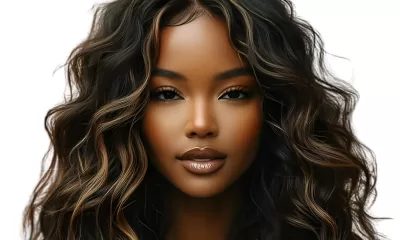
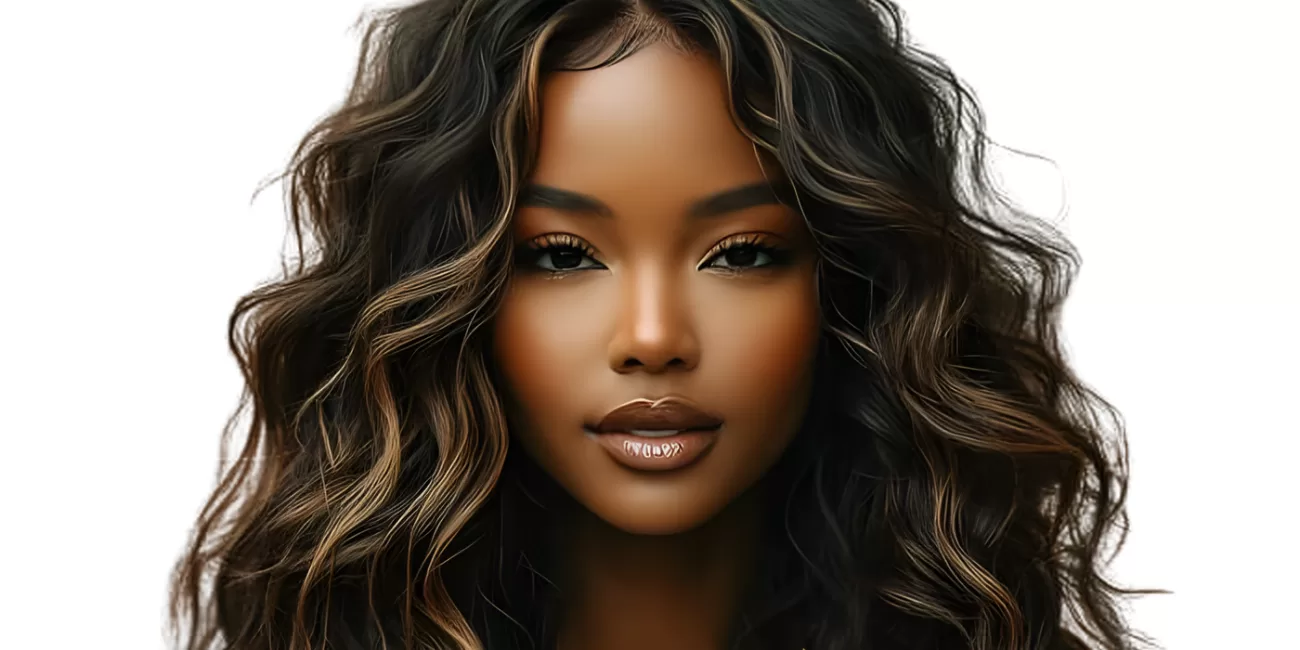
For generations, braided hairstyles have been a cornerstone of Black culture, symbolizing everything from social status and kinship to personal expression and resilience. The use of synthetic braiding hair has made these protective styles more accessible and affordable than ever. However, in recent years, a growing number of women have reported concerning reactions to the hair, leading to urgent questions about its safety.

This article delves into the potential health impacts of synthetic braiding hair, examining the ingredients, the reported issues, and the crucial recommendations for making safer choices.

The Problem: More Than Just Itchy Scalp

While a little itching when first installing braids is common, many Black women report symptoms that go far beyond mild irritation. These can include:

  • Severe Scalp Dermatitis: Intense itching, redness, swelling, and flaking.
  • Bumps and Blisters: Painful, pus-filled bumps (folliculitis) along the hairline and parts.
  • Hair Loss: Traction alopecia from the style’s tightness, compounded by inflammation that can weaken hair follicles.
  • Scalp Burns and Sores: A sensation of the scalp “burning” or “crawling,” sometimes leading to open sores.
  • Allergic Reactions: Swelling of the face, eyelids, and ears.

These reactions are not just anecdotal. A 2022 study published in the Journal of the American Academy of Dermatology identified a specific pattern of allergic contact dermatitis directly linked to synthetic braids, dubbing it the “Kanekalon phenomenon,” after a popular brand of braiding hair.

The Culprits: What’s in the Hair?

Synthetic braiding hair is typically made from modacrylic, a polymer derived from acrylonitrile and vinyl chloride. The hair itself is not the only concern; the chemical coatings and dyes used to give it a more natural look and feel are often the primary triggers.

The main suspects causing adverse reactions are:

  1. Formaldehyde: Perhaps the most alarming ingredient. Formaldehyde or formaldehyde-releasing preservatives are sometimes used in the coating of synthetic hair to prevent mildew during shipping and storage. Formaldehyde is a known sensitizer and a Group 1 carcinogen, meaning it is proven to cause cancer in humans. Direct, prolonged scalp contact can cause severe allergic reactions and skin irritation.
  2. Acrylates: These plastics are used to seal the ends of the hair when you dip them in hot water. They are also common allergens and can cause significant contact dermatitis.
  3. Dyes and Colorants: The vibrant colors of synthetic hair come from dyes that can contain heavy metals or other chemicals that some individuals are sensitive to.
  4. Plasticizers: Chemicals added to make the plastic fibers more flexible can also leach out and irritate the skin.

The Cancer Question: Are Synthetic Braids Carcinogenic?

This is the most serious concern. The direct answer is: There is no conclusive scientific evidence that wearing synthetic braids causes cancer.

However, the concern is not unfounded and stems from the ingredients:

  • Vinyl Chloride, a component of modacrylic fiber, is a known human carcinogen.
  • Formaldehyde, sometimes found as a contaminant, is a known human carcinogen.

The critical distinction is between ingestion/inhalation and skin contact. The cancer risks for these chemicals are primarily associated with long-term, high-level inhalation (as seen in factory workers) or ingestion. The risk from dermal (skin) absorption through the scalp is considered significantly lower and not well-studied.

While the risk of developing cancer from occasional braid wear is likely very low, the potential presence of known carcinogens in a product worn on the head for weeks at a time is a valid cause for caution and demands greater transparency and regulation.

Recommendations for Safer Styling

You don’t have to give up braids entirely. Informed choices and proper practices can dramatically reduce the risk of a reaction.

1. Pre-Installation: The “Prep & Test” Ritual

  • WASH THE HAIR: This is the single most important step. Before installation, soak the synthetic hair in a mixture of apple cider vinegar and water for 15-30 minutes, then rinse thoroughly. Follow this by washing the hair with a clarifying shampoo to remove surface chemicals, dyes, and residues. Let it air dry completely.
  • CONDUCT A PATCH TEST: Tape a small strand of the washed and dried synthetic hair to the skin behind your ear or on your inner arm. Leave it for 24-48 hours. If you see any redness, itching, or swelling, do not use that hair.

2. Smart Shopping: Choosing Better Hair

  • Look for “Hypoallergenic” Brands: Some brands now specifically market themselves as free of formaldehyde and other common irritants. They may be more expensive, but your health is worth the investment.
  • Opt for Sealed Packages: Hair sold in sealed packaging is less likely to be contaminated with dust, mold, or other environmental irritants compared to bulk, open-hair.
  • Consider Human Hair or Heat-Friendly Synthetics: While more costly, human hair braids eliminate the risk of synthetic chemical reactions. “Heat-friendly” synthetic hair often has a different coating that may be less irritating, though it should still be washed.

3. During and After Installation

  • Communicate with Your Stylist: Advocate for yourself. Ensure your stylist does not braid too tightly, as this can cause traction alopecia and force the hair fibers deeper into irritated follicles.
  • Moisturize Wisely: Use a light, water-based moisturizer on your scalp and natural hair. Avoid heavy oils and butters that can trap bacteria and residue against the scalp.
  • Don’t Wear Styles Too Long: 6-8 weeks is the general maximum. Wearing braids for longer increases the risk of buildup, matting, and prolonged exposure to any remaining irritants.
  • Listen to Your Body: If your scalp is burning, intensely itchy, or developing painful sores, do not “tough it out.” Take the braids out immediately and consult a dermatologist.

Conclusion

Synthetic braiding hair is a cultural and practical staple, but its potential health impacts cannot be ignored. While not definitively cancer-causing, the presence of harsh chemicals and known allergens poses a real risk for severe skin reactions.

The power lies in informed consumerism. By demanding cleaner products from manufacturers, washing hair before use, and listening to our bodies, Black women can continue to celebrate the beauty and convenience of braided styles without compromising their health. The choice to wear braids should be one of empowerment, not one that leads to pain and distress.

Continue Reading

Business

The Harajuku Barbie Dynasty: The Eternal Reign of Queen Nicki

Nicki Minaj’s Unrivaled Reign and the Anticipation for ‘Pink Friday 2’
Published

on

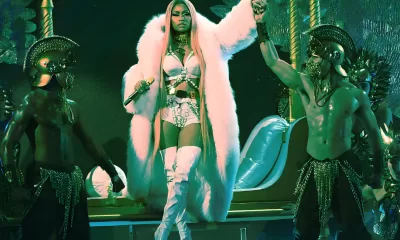
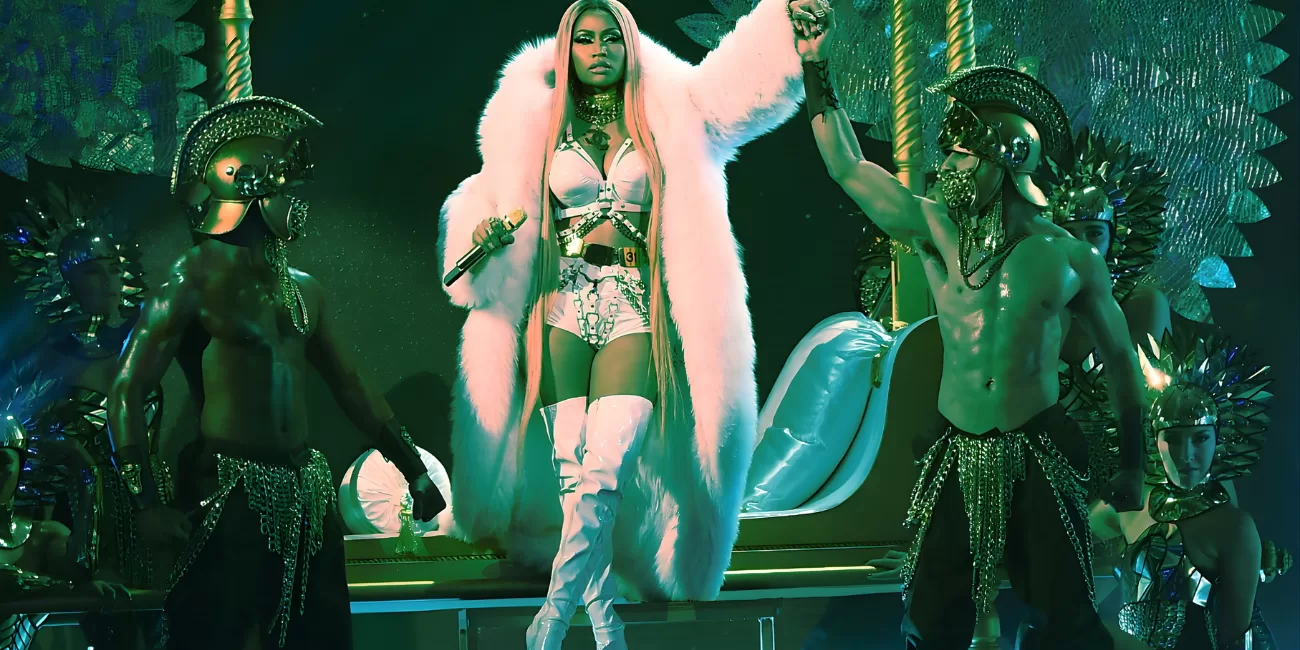
In the ever-shifting landscape of hip-hop and pop, where careers can be as fleeting as a viral trend, Nicki Minaj has not only secured her throne but has built an entire empire around it. For over a decade, she has been a dominant, disruptive, and undeniable force, reshaping the sound, style, and business of female rap. As the world awaits her next chapter with the upcoming “Pink Friday 2” in 2026, it’s the perfect moment to reflect on the legacy of the artist who taught a generation to go hard.

The Architect of a New Era

Before Nicki Minaj, the idea of a female rapper consistently topping the Billboard charts, breaking streaming records, and commanding global pop culture seemed like a distant dream for many. She didn’t just break through the glass ceiling; she shattered it with a pink sledgehammer. Her impact is multifaceted:

  • Commercial Viability: Nicki proved that a female rapper could be the central star, not just a featured guest. Her early mixtapes created an insatiable buzz, leading to a record deal that positioned her as a flagship artist. She paved the way for the commercial success of the diverse wave of female MCs who followed, demonstrating that there was a massive, hungry audience for their artistry.
  • Artistic Persona and Camp: Drawing inspiration from icons like Lil’ Kim, Nicki took the concept of alter-egos to a new level. From the soft-spoken Roman Zolanski to the barbie-doll Harajuku Barbie, she created a universe that was as theatrical as it was musical. This blurred the lines between rapper and performance artist, encouraging authenticity and eccentricity in a genre that often prized conformity.
  • The Blueprint for Business: Beyond music, Nicki became a master brand architect. From lucrative endorsements to her own perfume lines and a successful stint on American Idol, she showed that an artist’s influence could—and should—extend far beyond the recording studio.

A Chameleon on the Mic: Vocal Abilities

To reduce Nicki Minaj’s talent to simply “rapping” is to overlook her vast technical skill set. Her vocal abilities are a key instrument in her arsenal.

  • The Versatile Flow: Nicki is a master of rhythm and cadence. She can switch from a rapid-fire, machine-gun flow on tracks like “Monster” to a smooth, melodic sing-song delivery on hits like “Super Bass” or “Truffle Butter.” This versatility allows her to dominate hardcore hip-hop tracks and seamlessly cross over into pop and dancehall, making her one of the most adaptable features in the game.
  • Character and Voice: Her background in theater is evident. She uses distinct character voices, accents, and inflections to bring her lyrics to life. The aggressive, gritty tone of Roman contrasts sharply with the high-pitched, bubbly persona she often employs, adding a layer of theatricality and humor that is uniquely her own.
  • Melodic Sense: While not a powerhouse vocalist in the traditional sense, Nicki possesses a keen melodic intuition. Her ability to craft infectious pop hooks, often by blending singing with rhythmic talking, has been central to her chart success. She understands pop structure as well as any hitmaker, using her voice as a versatile tool to create memorable moments.

The Test of Time: Unmatched Longevity

In an industry known for its fickleness, Nicki Minaj’s longevity is her most powerful argument for greatness. Her career is a story of consistent relevance.

  • Decade-Dominating Hits: From her explosive debut with “Massive Attack” and “Your Love” to era-defining smashes like “Super Bass,” “Starships,” “Anaconda,” and “Super Freaky Girl,” she has scored hits across three different decades. She has maintained a presence on the charts through multiple musical shifts, from the bloghouse era to the rise of streaming and TikTok.
  • The Barbz Dynasty: She cultivated one of the most dedicated and powerful fan bases in the world—the Barbz. This digital army ensures her influence remains potent, breaking records with every release and defending her legacy with fervent loyalty. This direct artist-fan connection has been a cornerstone of her enduring career.
  • Evolution, Not Reinvention: While she has adapted to the times, she has never abandoned her core identity. She can deliver a pop-rap anthem, a hardcore verse for the purists, and a vulnerable, introspective track on the same album, proving her depth and satisfying her diverse audience.

A Crown Adorned with Jewels: Monumental Achievements

The numbers and accolades speak for themselves:

  • The best-selling female rapper of all time.
  • The first female artist to have 100 entries on the Billboard Hot 100.
  • The first solo female rapper to have a song debut at #1 on the Hot 100 (“Super Freaky Girl”).
  • Multiple Grammy Award nominations, MTV Video Music Awards, and BET Awards.
  • Guinness World Records for the most tracks by a female artist on the US singles chart.
  • Over 100 million records sold worldwide, solidifying her as a global phenomenon.

The Great Awakening: Anticipating ‘Pink Friday 2’ in 2026

The announcement of “Pink Friday 2,” a sequel to her genre-defining 2010 debut, sent shockwaves through the music world. Slated for a 2026 release, the anticipation is not just for new music, but for a full-circle moment.

This album is poised to be a victory lap and a nostalgic homecoming. By titling it “Pink Friday 2,” Nicki is tapping into the core of her origin story, promising a return to the sound and spirit that made her a star. After a period of focused family life, her return feels like a re-coronation. Fans and critics alike are eager to see how the seasoned veteran, now a wife and mother, will reflect on her journey. Will it be a reinvention or a refinement of the classic Pink Friday sound? How will her evolved perspective influence her lyrics?

One thing is certain: “Pink Friday 2” is more than an album; it’s an event. It’s the next chapter in the story of a woman who defied every odd, changed the game, and continues to write her own rules. The Pinkprint is not complete, and in 2026, the Queen is ready to stamp it once again.

Continue Reading

Business

Beyond Influencers: Why Your Next Social Media Manager Might Be a Prompt Engineer

The line between “real” and “AI-generated” will be the new battleground for trust.
Published

on

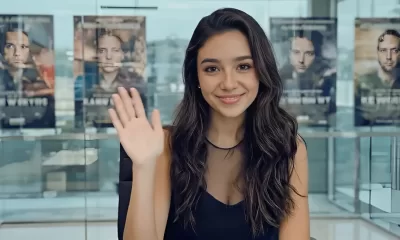
The digital landscape, once shaken by the earthquake of TikTok’s algorithmic forge, is bracing for another seismic shift. OpenAI, the company that brought generative AI to the masses with ChatGPT, is now reportedly taking aim at the short-form video throne. Leaks suggest they are developing not just a groundbreaking AI video generator, but a full-fledged social app to showcase it.

This move is more than just another tech giant entering the social media fray. It’s a direct challenge to the very foundations of digital creation and promotion. The question on everyone’s mind: Could this spell the end for digital marketing, social media, and rights management as we know it?

The short answer is no, but it will irrevocably change them.

What OpenAI is Building: Beyond Sora, Into Social

First, let’s understand the pieces. OpenAI has already demonstrated Sora, a text-to-video model that can generate stunning, minute-long video clips from simple prompts. The results are not just impressive; they are, at times, indistinguishable from professionally shot footage.

Now, imagine Sora not as a standalone tool, but as the core engine of a new social platform. Users wouldn’t just scroll; they would conjure. A prompt like “a cyborg cat sipping coffee in a Parisian café, cinematic lighting” could become a viral video in seconds, created by anyone, with no camera, editing suite, or budget required.

This fusion of creation and distribution is the paradigm shift. It removes the final barrier to content creation: production skill.

The Potential End of “Content Creation” As We Know It

The current digital economy is built on a creator hierarchy. You have influencers with production teams, brands with marketing budgets, and amateur creators fighting for attention with their smartphones. OpenAI’s app threatens to flatten this.

  • Democratization on Steroids: If everyone can produce high-quality video from a thought, the volume of content will explode. The barrier to entry isn’t just lowered; it’s obliterated.
  • The New Currency is Ideas, Not Production: The value will shift from who can produce the best video to who can conceive the most creative, engaging, or hilarious prompt. The “creator” becomes an “orchestrator” or “concept artist.”
  • Hyper-Personalization at Scale: A brand could generate not one ad, but thousands of variations tailored to micro-audiences or even individual users in real-time. Imagine a sneaker company whose ad creative changes based on the weather in your location or your recent browsing history.

What’s Next for Digital and Social Media Promotion?

This doesn’t mean the end of marketing; it means its evolution into a new, more complex form.

  1. The Prompt Strategist is the New Creative Director: Marketing teams will need “prompt engineers” who understand narrative, visual aesthetics, and brand voice, and can translate them into effective textual commands for the AI. A/B testing will be for prompts, not just headlines.
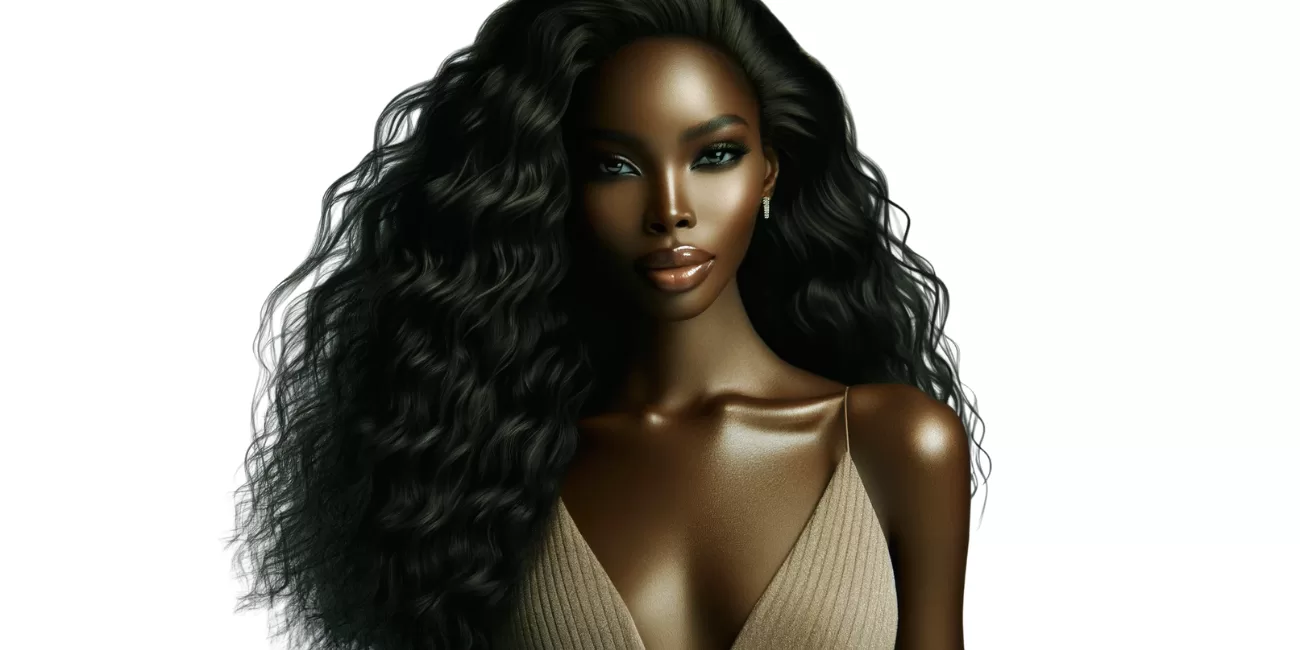
  2. Authenticity in an Artificial World: When anyone can generate a perfect video, what becomes scarce? Genuine human experience. Live-streams, raw behind-the-scenes moments, and authentic community interaction will become even more valuable. The line between “real” and “AI-generated” will be the new battleground for trust.
  3. SEO Gives Way to “AEO” (AI Experience Optimization): As social feeds become dominated by AI-generated content, the algorithms will prioritize novel, engaging, and emotionally resonant concepts. Marketers will need to optimize for whatever metric the new AI-native platform uses to measure “wow” factor.
  4. The Influencer Paradox: Top-tier influencers with strong personal brands will likely thrive, as their unique persona is the “secret sauce” that the AI can’t replicate. However, mid-tier influencers who primarily rely on high-production aesthetics may be disrupted unless they pivot to unparalleled concept creation or authenticity.

The Rights Management Nightmare

This is perhaps the most legally fraught area. The current systems for copyright and intellectual property are completely unprepared.

  • Training Data Liability: What if the AI generates a video that unintentionally replicates a protected character, a specific actor’s likeness, or a director’s signature style? Who is liable—the user who prompted it, OpenAI, or the platform?
  • The Ownership Question: Who owns the generated video? The user who wrote the prompt? The company that built the model? This is a legal grey area that will be fought in courtrooms for years.
  • Deepfakes and Misinformation: The ability to generate hyper-realistic video on demand will supercharge the spread of misinformation and malicious deepfakes. Platforms will be forced to develop near-instantaneous provenance and watermarking tools, likely baked into the AI itself.

The Verdict: Evolution, Not Extinction

OpenAI’s potential move is not the end of digital marketing and social media. Instead, it’s the next logical step in their digitization.

We are moving from a world where we capture and share reality to one where we conjure and share imagination. The core principles of marketing—understanding your audience, telling a compelling story, and building trust—will remain. But the tools, tactics, and very definition of “content” will be transformed beyond recognition.

The end of the old world is indeed in sight. But in its place, a new, more imaginative, and more chaotic digital universe is waiting to be born. The race will not be to those with the biggest budget, but to those with the most compelling ideas and the wisdom to navigate an entirely new set of rules.

Continue Reading

Trending