
Business
Why Are So Many Rap Concerts Getting Canceled?
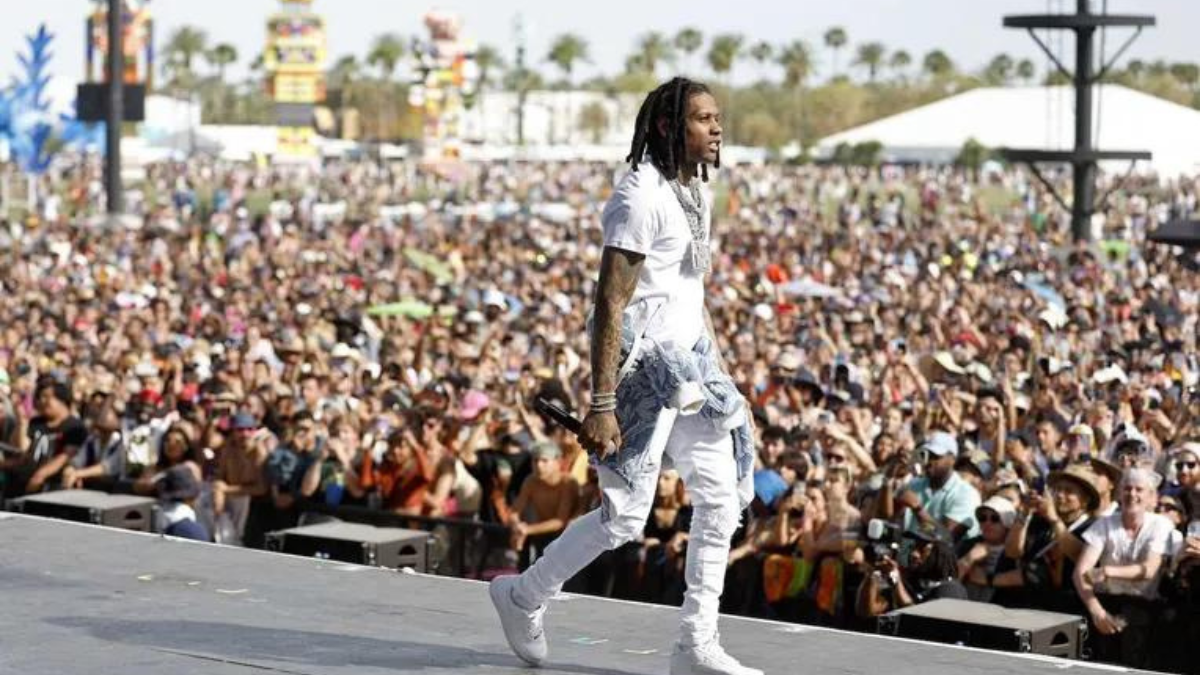
From a handful of Lil Baby concert stops to large events like the Made in America festival, rap concerts have been getting canceled quite frequently in recent years.

Dan Runcie

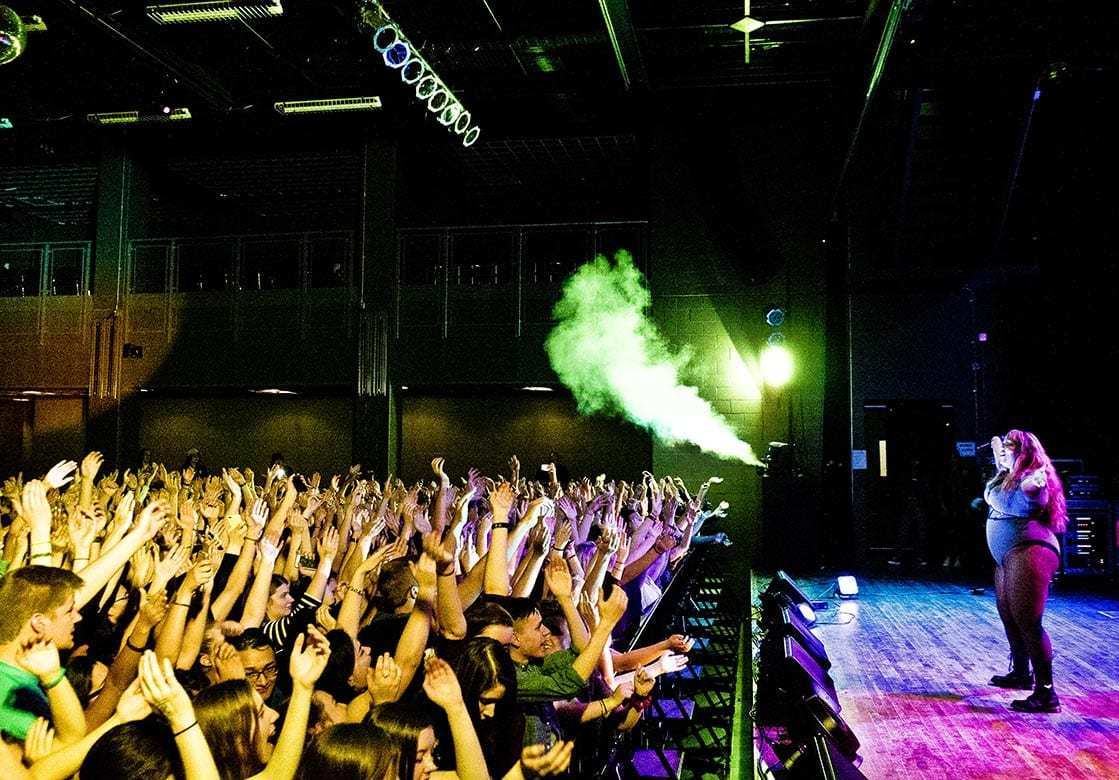
Lizzo at a concert in Minnesota (via Manitou Messenger)
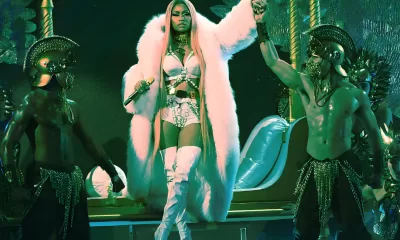
Nicki Minaj’s NICKIHNDRXX Tour — canceled in North America. Chance the Rapper’s Big Day Tour — canceled everywhere. T-Pain’s 1UP DLC Tour — canceled. Cardi B’s Invasion of Privacy Tour— chose not to do one.
Touring’s traditional model needs work. Cancellations have happened for years, but this recent wave is different. Many hip-hop artists overestimate demand for ticket sales. We live in an era with endless data, but touring decisions still seem like the industry blindly throws darts. Meanwhile, artists who can sell out those same venues have proudly taken new approaches. These trends are connected.
The popularity of music festivals and concert residencies have added new variables to the live performance mix. Mainstream artists are on a quest to maximize each option. Some are farther along than others. But by the time the majority of rappers find the ideal balance, the touring business might be behind the curve.
Opportunity cost is higher than ever
When artists are on tour, they’re on the road day-in, day-out. It’s traditionally seen as a justifiable tradeoff since many artists earn a majority of their revenue from touring. But it’s still time-intensive, laborious, and costly.
Here’s what I wrote in 2018 in Why Choosing the Right Concert Venue Matters:
A few years ago, Beyoncé, like Drake, once played it safe with concert tours. In 2013 and 2014, The Mrs. Carter World Tour earned an impressive $230 million, but it took Queen Bey 132 shows and twelve months of touring to do so…
Had Beyoncé subjected herself to the same arenas for [On the Run Tour, The Formation World Tour, and On The Run II Tour], she would have needed to perform an additional 207 shows since 2014 to match the $565 million her concerts have grossed in revenue. It would have been impossible to do all those shows while pregnant with the twins, make Lemonade, and do all the other stuff Beyoncé does.
There’s only a handful of artists like Beyonce who can justify the jump to a stadium. For the rest, festivals and short-term Las Vegas residencies are a viable alternative.
But even Taylor Swift has moved on from stadium tours. This summer the 1989 singer will do a European festival run (like Cardi B did last summer), then launch her own festival, Lover Fest, in Boston and Los Angeles. It doesn’t get more 2020 than that.
In an August interview with Ryan Seacrest, she explained why she didn’t do a traditional tour:
“I’m not quite sure what we’re doing with touring. I don’t want to do the same thing every time because I don’t want my life to feel like I’m on a treadmill. There’s a lot that goes into touring that nobody knows about — like you have to reserve stadiums like a year and a half in advance, and that to me is a lot. With ‘Reputation,’ I knew that nobody would really fully understand the album until they saw it live, but this album is different because people are seeming to get it on the first listen.”
All that’s true, but let’s remember two things. First, Taylor is in a select group of artists who can sell out the Rose Bowl, Soldier Field, and MetLife Stadium on back-to-back nights. She wouldn’t forgo that opportunity unless it made financial sense. Second, she’s right about the challenge in reserving venues eighteen months in advance. It’s especially frustrating for those who rise quickly and can’t easily pivot. It’s a good problem to have, sure. But it’s still a problem.
Last year, Lizzo rose to stardom so fast that she outpaced her touring revenue. According to Billboard, last spring’s Cuz I Love You Tour was performed in front of crowds of less than 2,000 people, grossing just over $50,000 per night. To capitalize on her momentum, she came back in the fall with the Cuz I Love You Too Tour at venues that were twice the capacity. But by that point “Truth Hurts” was #1 on the charts and nominated for Grammys. She still couldn’t keep up.
My wife and her friends bought tickets for Lizzo’s October show in San Francisco. They bought tickets at face value back in May for $50. The week before her show they were selling on StubHub for $350! It was a scalper’s dream but an artist’s biggest frustration. All the value was captured by the secondary market. Sure, there’s a chance Lizzo pulled a Metallica-Live Nation and scalped her own tickets. But if that ever happened… whew buddy. The Lizzo hive (and the anti-Lizzo hive) would have burned the internet down by now.
Hip-hop has an uphill battle
The mentality required to succeed in hip-hop and touring is in direct conflict. Most mainstream rappers take pride in beating the odds. They had to bet on themselves to make it this far. Why stop now?
But touring requires far more pragmatism. It’s economics. When supply meets demand, everyone’s happy. Those economics can be especially challenging for hip-hop though, where its streaming popularity outweighs its touring performance.
In a 2018 Wall Street Journal article, Neil Shah broke down how hip-hop may rule the record industry, rock is still king on the road:
There are many reasons that rock remains so powerful on the road, including that, as an older genre, it had a head start on pop and rap. Giant tours by older rap icons like Jay-Z aren’t as common. Fans of newer hip-hop artists skew younger, including teens with less disposable cash, making festival gigs more economical than lengthy, sprawling tours.
“Drake can do four Madison Square Garden shows, but Phish can do 17,” says Peter Shapiro, a New York-based independent concert promoter. Especially in the day-to-day business of clubs and theaters, rock bands, he adds, “still have a huge impact.”
This can make it mistakenly easy for an artist who dominates on RapCaviar or SoundCloud charts to think they are ready for the biggest stages available. Of the top 10 global tours of 2019, none of them were hip-hop. In 2018, just one (Beyonce and Jay Z’s On The Run II). Genre plays a factor.
A good clip from The Joe Budden Podcast where they break down Chance’s canceled tour.
Artists bet on themselves, which is costly
Challenges arise when artists who were once the hot kid start to cool off and need to accept reality. They might not be DONE done, but their prime days are behind them.
That’s where Nicki Minaj and Chance the Rapper are at. Neither admitted that low demand drove their cancellations, but we can follow T-Pain’s humble advice and read between the lines. Several industry insiders believe that both Nicki and Chance couldn’t sell enough tickets to fill 25+ arenas across the US. (I also covered Nicki’s ticketing woes in the Globalization of Hip-Hop, Part I and Chance the Rapper’s in a recent Member Update.)
When both rappers first announced these tours, I thought to myself, “Who the hell gassed them up to think they can still command an arena tour? Who signed this off?” There are plenty of fingers to point, but honestly, neither rapper needed extra convincing.
Keep in mind, Nicki spent the past decade silencing doubters who never thought a female rapper could reach the heights she did. Chance proved the industry wrong as an indie rapper who won Grammys and did arena tours. Their brand is to stay resilient when projections told them otherwise. You wanna go back in time and try to convince them that the lackluster responses to “Chun-Li” and “Groceries” were signs of what’s to come? Yea, good luck with that.
Their mentality is understandable, but it distorts reality. And as more superstars like Taylor and Cardi consider alternatives to touring, promoters may be stretched to fill those same venues with artists who can’t compete in that weight class. It will inevitably lead to more cancellations.
There are levels to this
The traditional touring model is extremely linear. There are tons of venue options for rising rappers who want to perform for a few hundred or a few thousand people. But the leap to arenas (~15,000) is no joke. The jump up to stadiums (~50,000+) is even steeper. The artists at the in-between stages are more likely to leave money on the table or cancel because they couldn’t sell.
The popularity of festivals, residencies, and private events add more options to meet demand:

As AR/VR capabilities develop, more of them will be added to this mix too
I made a similar chart last year on how the traditional albums model has evolved with “mixtapes,” visual albums, podcasts, and more. The trend is similar here. Increased options lead to more experimentation and put artists in control.
Where is this all heading?
This trend should be top of mind for both Live Nation and AEG, which own and operate thousands of venues. It should also concern those who individually manage their venues.
I don’t expect arenas to shorten the timeline for advance booking or cancellation policies. That’s the nature of events in popular venues, whether it’s a wedding or a Migos concert. But they can lean into the trend by pitching themselves as locations for festivals, residencies, private events, or mixed reality experiences. It may be hard to compete against the machine of Coachella, but Rolling Loud and plenty of other festivals are more open to working with what’s available.
By now, every rapper with a big enough following has had at least wondered, “What if I launched my own Astroworld or OVO Fest? Should I do a Vegas residency too?” As I laid out in Why Rappers Started Running Their Own Music Festivals, artists want to leverage their power and run the show. They want the money from the highest profit margin areas of live performance, like sponsorship and concessions. It’s the same model that Floyd Mayweather uses in his boxing matches. He rents out the building and collects the revenue from everything else.
Touring will always be key for the up and comers who want to meet their day-ones. It worked for Meg the Stallion in the rooftop cypher days and Cardi B in the Love & Hip-Hop days. It will always be a core for the legacy artists who can draw crowds wherever—like Rolling Stones, Elton John, or Jay Z. But there’s a whoooole lot of artists between up-and-comers and Hov.
These artist want more options, and the market can offer them. The rest of the industry will be forced to adapt sooner or later.
READ MORE: https://trapital.co/2020/01/09/the-hip-hop-touring-business-is-broken/

Dan Runcie
Founder of Trapital





Business
From “Killing Me Softly” to a Federal Sentence: The Pras Michel Saga and the Peril at the Intersection of Music and Politic.
This is more than just the fall of a celebrity;
Business
My Hair Is Killing Me: Examining the Health Impact of Synthetic Braiding Hair on Black Women
Black women report symptoms that go far beyond mild irritation.
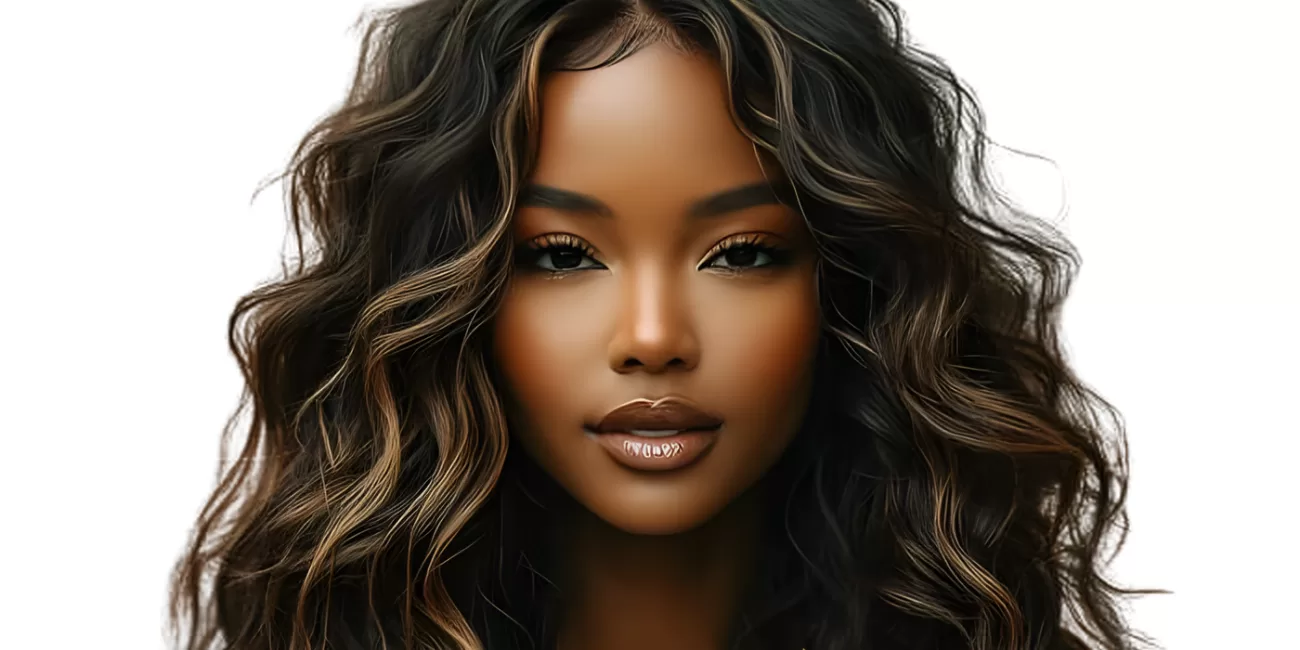
For generations, braided hairstyles have been a cornerstone of Black culture, symbolizing everything from social status and kinship to personal expression and resilience. The use of synthetic braiding hair has made these protective styles more accessible and affordable than ever. However, in recent years, a growing number of women have reported concerning reactions to the hair, leading to urgent questions about its safety.
This article delves into the potential health impacts of synthetic braiding hair, examining the ingredients, the reported issues, and the crucial recommendations for making safer choices.
The Problem: More Than Just Itchy Scalp
While a little itching when first installing braids is common, many Black women report symptoms that go far beyond mild irritation. These can include:
- Severe Scalp Dermatitis: Intense itching, redness, swelling, and flaking.
- Bumps and Blisters: Painful, pus-filled bumps (folliculitis) along the hairline and parts.
- Hair Loss: Traction alopecia from the style’s tightness, compounded by inflammation that can weaken hair follicles.
- Scalp Burns and Sores: A sensation of the scalp “burning” or “crawling,” sometimes leading to open sores.
- Allergic Reactions: Swelling of the face, eyelids, and ears.
These reactions are not just anecdotal. A 2022 study published in the Journal of the American Academy of Dermatology identified a specific pattern of allergic contact dermatitis directly linked to synthetic braids, dubbing it the “Kanekalon phenomenon,” after a popular brand of braiding hair.
The Culprits: What’s in the Hair?
Synthetic braiding hair is typically made from modacrylic, a polymer derived from acrylonitrile and vinyl chloride. The hair itself is not the only concern; the chemical coatings and dyes used to give it a more natural look and feel are often the primary triggers.
The main suspects causing adverse reactions are:
- Formaldehyde: Perhaps the most alarming ingredient. Formaldehyde or formaldehyde-releasing preservatives are sometimes used in the coating of synthetic hair to prevent mildew during shipping and storage. Formaldehyde is a known sensitizer and a Group 1 carcinogen, meaning it is proven to cause cancer in humans. Direct, prolonged scalp contact can cause severe allergic reactions and skin irritation.
- Acrylates: These plastics are used to seal the ends of the hair when you dip them in hot water. They are also common allergens and can cause significant contact dermatitis.
- Dyes and Colorants: The vibrant colors of synthetic hair come from dyes that can contain heavy metals or other chemicals that some individuals are sensitive to.
- Plasticizers: Chemicals added to make the plastic fibers more flexible can also leach out and irritate the skin.
The Cancer Question: Are Synthetic Braids Carcinogenic?
This is the most serious concern. The direct answer is: There is no conclusive scientific evidence that wearing synthetic braids causes cancer.

However, the concern is not unfounded and stems from the ingredients:
- Vinyl Chloride, a component of modacrylic fiber, is a known human carcinogen.
- Formaldehyde, sometimes found as a contaminant, is a known human carcinogen.
The critical distinction is between ingestion/inhalation and skin contact. The cancer risks for these chemicals are primarily associated with long-term, high-level inhalation (as seen in factory workers) or ingestion. The risk from dermal (skin) absorption through the scalp is considered significantly lower and not well-studied.
While the risk of developing cancer from occasional braid wear is likely very low, the potential presence of known carcinogens in a product worn on the head for weeks at a time is a valid cause for caution and demands greater transparency and regulation.
Recommendations for Safer Styling
You don’t have to give up braids entirely. Informed choices and proper practices can dramatically reduce the risk of a reaction.
1. Pre-Installation: The “Prep & Test” Ritual
- WASH THE HAIR: This is the single most important step. Before installation, soak the synthetic hair in a mixture of apple cider vinegar and water for 15-30 minutes, then rinse thoroughly. Follow this by washing the hair with a clarifying shampoo to remove surface chemicals, dyes, and residues. Let it air dry completely.
- CONDUCT A PATCH TEST: Tape a small strand of the washed and dried synthetic hair to the skin behind your ear or on your inner arm. Leave it for 24-48 hours. If you see any redness, itching, or swelling, do not use that hair.
2. Smart Shopping: Choosing Better Hair
- Look for “Hypoallergenic” Brands: Some brands now specifically market themselves as free of formaldehyde and other common irritants. They may be more expensive, but your health is worth the investment.
- Opt for Sealed Packages: Hair sold in sealed packaging is less likely to be contaminated with dust, mold, or other environmental irritants compared to bulk, open-hair.
- Consider Human Hair or Heat-Friendly Synthetics: While more costly, human hair braids eliminate the risk of synthetic chemical reactions. “Heat-friendly” synthetic hair often has a different coating that may be less irritating, though it should still be washed.
3. During and After Installation
- Communicate with Your Stylist: Advocate for yourself. Ensure your stylist does not braid too tightly, as this can cause traction alopecia and force the hair fibers deeper into irritated follicles.
- Moisturize Wisely: Use a light, water-based moisturizer on your scalp and natural hair. Avoid heavy oils and butters that can trap bacteria and residue against the scalp.
- Don’t Wear Styles Too Long: 6-8 weeks is the general maximum. Wearing braids for longer increases the risk of buildup, matting, and prolonged exposure to any remaining irritants.
- Listen to Your Body: If your scalp is burning, intensely itchy, or developing painful sores, do not “tough it out.” Take the braids out immediately and consult a dermatologist.
Conclusion
Synthetic braiding hair is a cultural and practical staple, but its potential health impacts cannot be ignored. While not definitively cancer-causing, the presence of harsh chemicals and known allergens poses a real risk for severe skin reactions.
The power lies in informed consumerism. By demanding cleaner products from manufacturers, washing hair before use, and listening to our bodies, Black women can continue to celebrate the beauty and convenience of braided styles without compromising their health. The choice to wear braids should be one of empowerment, not one that leads to pain and distress.
Business
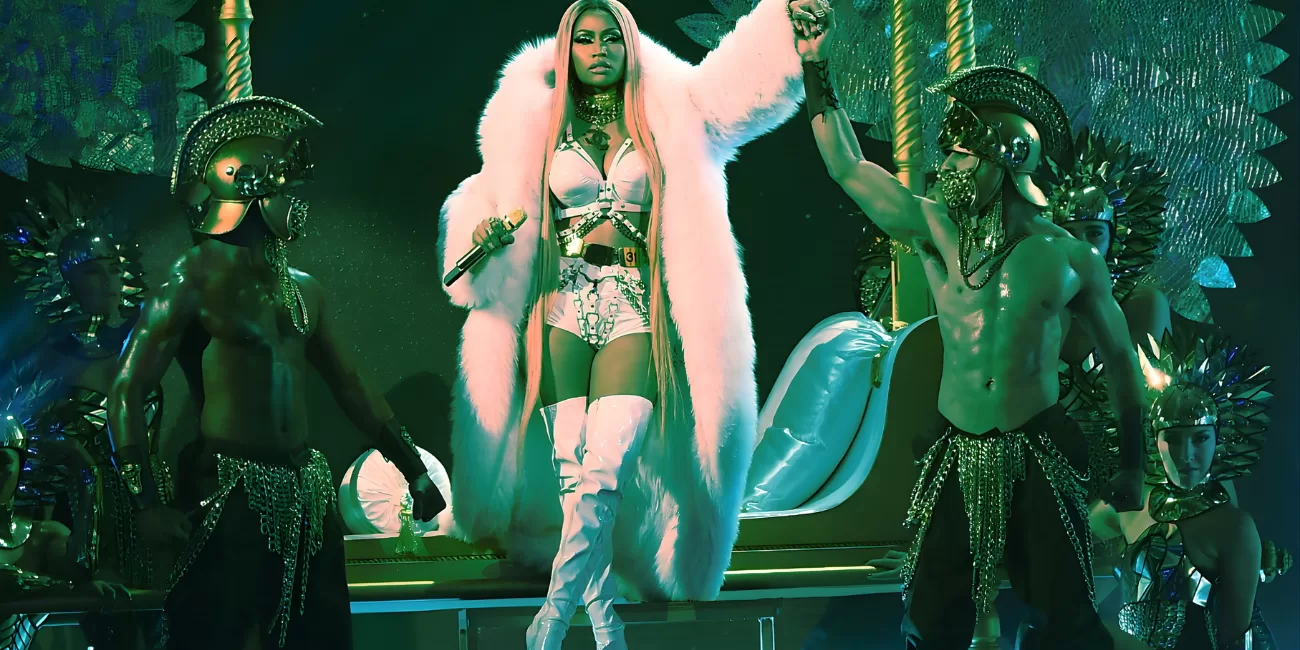
The Harajuku Barbie Dynasty: The Eternal Reign of Queen Nicki
Nicki Minaj’s Unrivaled Reign and the Anticipation for ‘Pink Friday 2’

From “Killing Me Softly” to a Federal Sentence: The Pras Michel Saga and the Peril at the Intersection of Music and Politic.

My Hair Is Killing Me: Examining the Health Impact of Synthetic Braiding Hair on Black Women

The Harajuku Barbie Dynasty: The Eternal Reign of Queen Nicki


-
 Business3 years ago
What Genre of Music Suits My Voice? How To Find Your Vocal Style
-
 Business3 years ago
CHRIS BROWN: The Top Recording Artist ALIVE [Vocal Range]
-
 Business5 years ago
The Day Jordin Sparks Stopped Singing
-
 Business5 years ago
Benefits of Joining a Choir
-
 Business4 years ago
Chris Brown’s 12th Studio Album “Breezy”
-

 Business4 years ago
Falsetto: The enduring love affair with the soaring male voice.
-

 Business4 years ago
Food for Singers: The Diva Diet
-
 Business5 years ago
Shakira joins forces with Puerto Rican rapper Rauw Alejandro