
Business
What Genre of Music Suits My Voice? How To Find Your Vocal Style
Awesome, you’ve decided to become a singer – but how do you decide which style of music you should sing? We have the answers for you right here…


Posted on by vocalist.org.uk
Updated on 31st January 2023

Before we get stuck in, we just want to reassure you that there’s no reason whatsoever why you have to choose a particular genre of music and stick to it, or why you can’t choose multiple genres to sing in. There’s plenty of amazing music out there, and there’s always more to discover.
That being said, certain types of voice do tend to lend themselves well to certain genres of music. So, once we’ve got the basics of finding your own voice out the way, we’re going to break down the most popular singing styles of today and explore their characteristics and techniques.
But first…
What songs do you like?
First and foremost, you should sing what you love, because your joy and passion for singing a song that really means something to you will come out through your performance. Have you ever caught yourself – or been caught – singing in the shower, or humming along to the last thing you heard on the radio? That’s a good indicator that you liked what you were listening to!
If you’re not sure where to begin, or want to expand your bank of favourite songs, use apps and websites such as Spotify and YouTube which suggest similar songs to the ones you search for. Try creating a playlist of songs you like the sound of and keep listening through it to familiarise yourself with them all.
Find your vocal range
Figuring out what your vocal range is will make it easier for you to select achievable songs which you can use to hone your stylistic techniques.
Your vocal range, put simply, is measured from the lowest note you can sing to the highest note you can sing.
To find your vocal range, start with your normal speaking voice. Our voices naturally move up and down to help us express different meanings – but for now, stick to one note, and say “ahhh”.
While maintaining the same volume, lower your voice gradually until your voice starts to struggle or cuts out. Then, repeat in the opposite direction – you’ve now found where the lowest and highest notes you can comfortably sing sit.
It’s important that you’re honest with yourself about your vocal range – you might discover a whole lower octave when you catch a cold, or reach dizzying new heights when you stub your toe, but these are at the extreme ends of your range. If you try to factor these extreme notes into your range without properly warming up your singing voice or working to expand your vocal range, then you risk damaging your vocal cords.
How does it feel?
When you sing, you’ll feel your voice resonating within your body. You should feel your voice resonating in your chest when you’re singing in your normal speaking or ‘modal’ register – this is why it’s also commonly known as your ‘chest voice’.
Singing in your modal register or chest voice is your singing comfort zone – as this is naturally where you’ll aim your singing voice, try and find some songs that feel like they fit into this natural register before trying anything more adventurous.
As you raise and lower the pitch of your voice, you’ll feel it resonate in different parts of your body – up towards your head, and down towards your diaphragm. You may feel the muscles in your neck begin to tense up when you’re on the edge of your natural modal register – this is normal, but it’s your body’s way of telling you that you’re starting to overstretch yourself.
The main thing you need to remember about singing is: it should feel comfortable. Of course, singing for 2 hours a night will take its toll if you haven’t yet built up your stamina through regular practice, but it should never hurt to sing. If your voice is sore or your neck muscles are feeling strained, then take a well-earned break.

How does it sound?
If you’re confident enough to sing in front of your friends, or even perform in public at a live music event such as an open mic night, then by all means go for it! But to make sure you sound your best before sharing your singing gift with the world, we suggest learning to walk before trying to run.
A good way to hear how well you sing and to pinpoint where there’s still room for improvement is to record yourself. Most smartphones and other devices will have a function which will allow you to do this.
Now listen back – does your voice suit the song you chose to sing? Don’t be put off if you don’t like the results right away – see this instead as an opportunity to develop your voice.
Imagine yourself as a singer
Do you see yourself busting several moves flanked by a legion of back-up dancers, crooning through the haze of a dingy diver bar, or raising the hairs of the entire back row’s necks in the Royal Albert Hall as you take centre stage?
Since you’ve made the decision to become a singer, then chances are you’ve got a few musical heroes you’d like to emulate. While we’d much rather you find your own path, figuring out what makes your favourite singers so great is a sensible first step.
Before we take a look at some of the key conventions of these popular music genres, we just want to remind you that, when it comes to finding your own vocal style, there is no right or wrong answer. All that matters is that you understand your own voice’s potential and can learn to use it safely to express yourself.
However, it’s important that you know the different vocal techniques used commonly within each genre, so that you can explore them for yourself – and add more strings to your musical bow!
Here’s our genre breakdown:

How to sing: Pop
Pop music has gone through many changes since the term emerged in the mid-1950s – but, for all its different sounds and styles, it’s always been on top of the game in terms of popularity. Pop songs and pop singers often get a bad rap for being overly commercial or too ‘flavour of the month’ – but, as Justin Bieber would tell you, over 80 million monthly listeners on Spotify can’t be wrong!
Pop is the genre for you if you enjoy keeping up with the latest fashion and trends. Because pop music is often aimed towards a younger audience, many pop singers tend to sing in a higher register to make their voices sound more relatable and youthful – but this doesn’t mean you can’t sing pop if you have a lower voice.
A lot of pop singers also incorporate dance moves into their performances – so if you love a good boogie, you’ve come to the right place!

To sing in a pop style, keep your voice as close to your speaking voice as you can – leave the theatrics to the Broadway singers! The reason why a lot of pop singers do this is because it’s more relatable for the listener – it’s a lot easier for 80,000 fans to get what Ariana Grande is saying to them than to put themselves in the Phantom of the Opera’s shoes.
That’s not to say pop singers are any less talented – far from it, in fact – they’re just using different storytelling techniques. Much as pop songwriters use ‘hooks’ to ensure their compositions stick in their audience’s minds, pop singers often use certain vocal techniques and deliveries to make themselves sound unique.
One such technique is ‘falsetto’, which happens when your vocal cords tighten but don’t meet in the middle, allowing more air through to produce a high-pitched, breathy sound. This vocal technique is more noticeable in male singers, such as Prince and Justin Timberlake – who both use this technique in many of their most well-known songs – but female singers can also sing in the falsetto register.
To sing using falsetto, try to imitate the voice of a child. You should feel your falsetto voice vibrating in your nasal cavity.
Another technique is called ‘vocal fry’, which happens when your vocal cords loosen and are pushed together, obstructing your airflow to produce a low-pitched, croaky sound. Many vocalists sing in the vocal fry register to achieve lower notes – two notable examples being Enrique Iglesias during the chorus of ‘Hero’ and Britney Spears at the start of ‘…Baby One More Time’.
To sing using vocal fry, imagine you’ve just woken up and are giving the first groan of the day. You should feel your ‘frying’ voice vibrating in your throat.
Famous pop singers
Justin Bieber
Beliebers in the 2010s saw young Justin grow from boy wonder to adult sensation, with his pure, innocent pre-teen tones maturing into a breathier, more intimate vocal style, often making use of falsetto:
Billie Eilish
A shining example of how pop singers can speak volumes whilst keeping quiet, Billie Eilish manages to convey a sweetness with an underlying layer of menace – all while barely raising her voice above a whisper:
Britney Spears
You don’t earn the title of ‘Princess of Pop’ without topping the charts a few times, and a big part of this is Britney’s instantly recognisable singing voice. Britney often uses vocal fry to lead into her childlike, nasal voice, which contrasts with her more adult-themed lyrics and dance moves – proving to everyone who know her from her Mickey Mouse Club days that she’s “not that innocent”:
How to sing: Rock
Pop’s tough, rebellious cousin was born around roughly the same time, but their paths began to diverge when certain singers and songwriters got some attitude and decided they wanted to stop appealing to the masses. Even going back as far as 1964, it’s easy to see the distinction between the sweet and sentimental ‘I Only Want To Be With You’ by Dusty Springfield and the harsh, visceral ‘You Really Got Me’ by the Kinks – and the gap only widened from there onwards.
You’ll enjoy singing rock if you love being loud and in-your-face – rock music is about energy and attitude! Many famous rock singers aim for high notes for dramatic effect, such as Heart’s Ann Wilson or Led Zeppelin’s Robert Plant, but don’t worry if you can’t quite reach ear-splitting pitch – as long as you sing like you mean it, you’re still going to rock!

Rock singers still come in many shapes and sizes, but the one thing they all tend to have in common is their powerful delivery. In order to keep up with the crashing drums, screeching guitars and rumbling basses, rock vocalists have to take their singing to the next level!
To sing rock, you’re going to need to master the technique known as ‘belting’ – which is essentially musical shouting. When you belt, you push your voice from your lower register, or ‘chest voice’, into your higher register, or ‘head voice’, which allows you to produce a much more powerful high note.
Depending on how ‘hard’ or ‘heavy’ the type of rock you want to sing is, you might also want to add some ‘grit’ to your singing voice. Some people have naturally speaking raspy voices, so applying this quality to their singing voices comes easily – but you can learn to add grit to your singing voice even if you speak with a cleaner tone.
Start by growling (imagining you’re an angry dog might help!) in your natural modal register, and take note of how this feels in your throat. Once you’ve got used to this, start moving your growl around – follow a simple melody (like ‘Twinkle, Twinkle, Little Star) wordlessly at first, then add the lyrics. When you’ve got the hang of this, try singing a song you want to learn with your new gritty tone.
However, both of these techniques can cause damage to your vocal cords, so it’s important to a) use them sparingly and b) take proper care of your vocal health. For more tips on how to keep your voice healthy, read this article.
Famous rock singers
James Hetfield
The voice behind the world’s biggest metal band, James Hetfield’s voice sounds like he starts each day by eating a shovelful of gravel. Don’t try to go from naught to nails straight away, though – the Metallica frontman has professional vocal coaches and hundreds if not thousands of shows’ worth of experience backing him up.
Joan Jett
Following her tenure in the all-female rock band, the Runaways, Joan Jett poured her snarling attitude into a successful solo career. When Joan tells you she loves rock ‘n’ roll, not only do you believe her wholeheartedly, but you also can’t help but agree:
Freddie Mercury
Often cited as one of the greatest rock performers of all time, Freddie lifted Queen to the heavens every time he opened his glorious mouth. Within the first 30 seconds of ‘Don’t Stop Me Now’, you can hear his mastery of belting on “turning inside out” compared to his falsetto on “floating around”:
How to sing: Jazz
A genre which evolved from the blues whilst hanging onto its raw emotion, jazz singers are often considered the most skillful. To become a true jazz singer, you’ll need to get your music theory chops up to scratch – but here’s how you can get started.
Jazz is the genre for you if you like to keep your voice down low and the lights even lower. For your listeners, it’s all about mood, but for you, the singer, it’s all about the method.

As with all areas of jazz, improvisation is a key aspect of jazz singing, with many jazz vocalists utilising such techniques as ‘scat singing’, where the voice is used to imitate an instrument. For example, try imitating the “wah, wah” of a trombone, or the “bom, bom” of a double bass.
It’s worth learning a few scales so you’ll know instinctively which notes to play around with – read our article on how singing scales can help improve your voice for some ideas.
Another key to jazz singing is how you interpret the rhythm, or ‘feel’. Jazz numbers typically have a loose ‘swing feel’ – a ‘swung rhythm’ lengthens the first beat and shortens the second, as in ‘DUM, dah-DUM, dah-DUM’, with the shortened note ‘anticipating’ the lengthened note.
Jazz vocalists play into this looseness by avoiding singing directly on the beat. Many jazz singers add to this feel by ‘sliding’ up or down to the notes they sing, giving the vocal delivery a dreamy, laid-back quality popular with ‘crooners’ like Frank Sinatra and Dean Martin.
Pitch slides are easy enough to do – just pick a note you’re comfortable singing, then gradually increase and decrease the pitch in a single, unbroken breath. Applying this technique to actual songs can be more tricky though! Make sure you know the song well first so you know which notes you’re aiming for, and plan your breaths carefully – you’ll need more air to sing those slides uninterrupted.
The best thing you can do as a budding jazz singer is start learning jazz standards – songs which have been accepted into the regular repertoire of jazz bands worldover. Not only will this expose you to and help you memorise a broad range of jazz melodies, but it will also make it easier for you to play songs with other jazz musicians, who will also be familiar with these standards, if you’re hoping to perform with a band.
Famous jazz singers
Billie Holiday
‘Lady Day’ took the weary, laid-back feel of George Gershwin’s original standard to a whole new level. Her sultry, easy delivery is the main reason why Billie Holiday’s version of this, one of the most covered songs of all time, still stands out:
Frank Sinatra
Although technically belonging to the pop and easy-listening genres, Frank infused his singing style with plenty of jazz cool. Hear the first of his many pitch slides on the word “mo-on” downwards in the first line – and notice how he almost seems to be singing to a rhythm all of his own on “ba-by kiss me”:
Ella Fitzgerald & Louis Armstrong
Legendary jazz musicians in their own right, this duet version of the jazz standard ‘Dream a Little Dream Of Me’ performed by Ella Fitzgerald and Louis Armstrong is as close as you can get to jazz 101. Lazy and lilting, which some truly inspired scat singing on both accounts, this recording has all the technique and mood you could need:
How to sing: classical and opera
The most formal musical genre on our list, as well as the most theatrical and furthest away from your speaking voice, singers of opera and classical music are usually ‘classically trained’. If you truly want to pursue classical and opera singing, then a music teacher is your best bet – but we can give you an introduction to the main characteristics.
If you love theatrics and drama, then you’re going to love opera! A strong, powerful voice that’s perfect for letting everyone from the front row to the back exactly how you’re feeling is exactly what the opera ordered:

In the broadest sense, opera singing usually consists of classical singing set to a story in a theatre setting. Songs which are sung in a classical style, such as ‘canatas’ or religious ‘oratorios’, may sound similar, but would not be classed as opera.
To our modern ears, classical singing doesn’t sound all that close to the way we pronounce words in everyday conversation. This is because a classical singer pronounces words differently – vowel sounds are modified to allow the singer greater control of certain syllables at more extreme pitches, and clear diction is much more important, so consonants are more pronounced at the end of words.
One thing you’ll notice if you’ve ever watched an opera performance is that opera singers project their voices at a much higher volume than other singers. This is because opera is much older than microphones and other amplification technology – back in the day, opera singers had to project their voices over the orchestra pit so their audiences could hear them.
Another thing you’ll notice about opera performances is that many of them are written – and sung – in Italian. This again is largely due to tradition – opera itself originated in Italy, and ‘opera’ is the Italian word for ‘work’ – and many composers of opera opted to continue writing in Italian.
Don’t worry – we’re expecting you to become fluent in Italian just so you can sing opera! Understanding the meaning of the lyrics you’re singing will help you connect to the song’s emotional content, however, and will help you to emphasise key words and phrases to convey those emotions.
We also get the following voice classifications from Italian – knowing which of these best describes your voice will also help you figure out what sort of singing voice you have and what other musical avenues you can go down with it:
| Classification | Description | Range |
| Soprano | High female | C4 – A5 |
| Mezzo-soprano | Middle female | A3 – F#5 |
| Contralto | Low female | F3 – D5 |
| Tenor | High male | C3 – A4 |
| Baritone | Middle male | A2 – F4 |
| Bass | Low male | F2 – E4 |
A key vocal skill you’ll need to develop to sing opera is ‘vibrato’, which happens when your singing muscles pulsate, making your voice waver up and down in pitch. Because we’re able to reach higher notes without straining our vocal cords when singing with vibrato, classical and opera singers use it to convey peaks of high emotion.
Vibrato is much easier to achieve when your neck, shoulders and jaw are relaxed. Take a deep, steady breath, and sing out a single note, then gradually allow your voice to waver up and down slightly. That’s vibrato! Now try this again, but as you begin to let your voice waver, gradually increase the volume of your voice. Now you’re projecting!
Famous opera and classical singers
Luciano Pavarotti
Pavarotti’s soaring voice made him a household name when he appeared on television screens across the world as one of the Three Tenors. His dramatic performance of ‘Nessun Dorma’, one of the best-known arias from renowned composer of opera, Giacomo Puccni, cemented this as Pavarotti’s signature song:
https://www.youtube.com/embed/cWc7vYjgnTs?feature=oembed
Charlotte Church
Before crossing over into pop music, Charlotte Church took the world by storm aged just 11 years old with her pure, resounding soprano. Hear how she effortlessly opens up her vibrato on the longer notes and note the precision with which she pronounces ‘Ave Maria’:
Maria Callas
Remembered almost as fondly for her diva antics as she is for her phenomenal soprano voice, Maria Callas would give the Mariah Careys and Whitney Houstons of this world a run for their money in every sense! Maria pours her soul into this performance of Vissi d’arte (taken from another of Puccini’s operas, ‘Tosca’) which is the Italian for “I lived for art” – and we believe she meant every word:
How to sing: Hip-Hop and R&B
The most modern genres on our list, hip-hop and contemporary R&B are closely related, with many crossovers and collaborations between artists from either side. From its humble beginnings on the streets of 1970s New York, hip-hop grew to dominate the charts, influencing pop, rock, and morphing the more soul-orientated rhythm and blues genre into the R&B we know today.
If you love the way gospel music elevates your soul, but want to jam with more modern, electronic elements, then R&B has a space for you. Much as rappers need to be able to jump between words at speed whilst maintaining their flow, you’re going to need a degree of vocal agility in order to both do your own thing and keep to the beat.

While hip-hop itself is more closely associated with rapping (the speech-style, rhythmic delivery of densely rhyming phrases), the genre itself is characterised by such stylistic elements as drum machines, samples, beatboxing and turntable scratches – all of which are commonly incorporated into R&B tracks which are sung in the more traditional sense. Furthermore, many R&B tracks ‘feature’ rap artists who contribute a verse to the song, and vice versa – check out ‘Crazy In Love’ by Jay Z and Beyoncé to hear how these two vocal styles play off each other.
Pitch correction or ‘autotune’ is often used on recording of hip-hop and R&B songs, and while this can also be achieved live, you don’t want to rely on this technology when you’re still developing your own singing voice. This is often a stylistic choice for the recording.
An important technique you need to work on to sing like Whitney Houston or Usher is ‘melisma’ (also called a vocal run) which is the name given to singing one syllable over several notes.
To learn how to sing super-fast, complex vocal runs, start with some simple melismatic phrases – and, like with pitch slides, make sure you take a nice big breath beforehand. A popular vocal warm-up used by many singing teachers is to sing halfway up the major scale whilst singing ‘eeh’, then sing your way back down again whilst singing ‘aah’.
Once you’ve become a pro at this, try singing along to the vocal runs of some popular R&B artists. Try to break them down into smaller, more manageable chunks and work on these individually, then gradually piece them back together until you’re able to complete a full run.
Famous hip-hop and R&B singers:
Mariah Carey
Credited for popularising melisma in the R&B genre, Mariah rarely finishes a sentence on a single note throughout this track. Note as well that she makes full use of her range – including belting, falsetto, and her famous ‘whistle register’:
Usher
Look no further than the run Usher begins at 2:12 – backed up by a dramatic musical break – to remind yourself why Usher is an undisputed champion of his genre:
Beyoncé
Having achieved global fame with girl group Destiny’s Child only to shine even brighter as a solo star, Queen B isn’t one of the biggest singers in the world for no reason. A vocal force to be reckoned with, both on the stage and in the studio, listen to the increasingly dramatic vocal runs in this song’s second verse:
Keep singing songs from different genres
As we mentioned earlier, there’s no need for you to limit yourself to one musical genre on your journey of self-discovery. Each style of singing brings new ideas and techniques which all singers can learn from, so feel free to pick and choose as many of these tricks and tips as you like.
In fact – on your journey to discovering your true voice, why not mix and match some of these techniques? Add some pop-inspired vocal fry or falsetto to your jazzy pitch slides, or add some rock grit to your R&B-style vocal runs!
Read MORE: https://vocalist.org.uk/vocal-styles







Business
From “Killing Me Softly” to a Federal Sentence: The Pras Michel Saga and the Peril at the Intersection of Music and Politic.
This is more than just the fall of a celebrity;

Business
My Hair Is Killing Me: Examining the Health Impact of Synthetic Braiding Hair on Black Women
Black women report symptoms that go far beyond mild irritation.
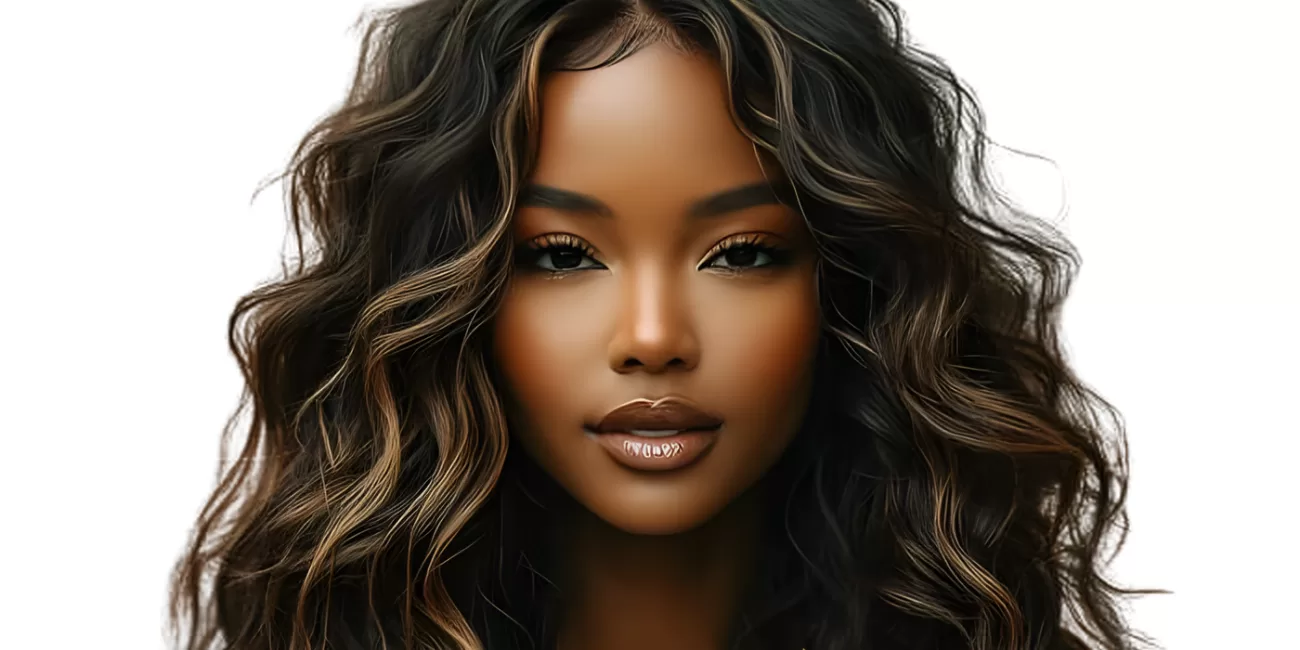
For generations, braided hairstyles have been a cornerstone of Black culture, symbolizing everything from social status and kinship to personal expression and resilience. The use of synthetic braiding hair has made these protective styles more accessible and affordable than ever. However, in recent years, a growing number of women have reported concerning reactions to the hair, leading to urgent questions about its safety.
This article delves into the potential health impacts of synthetic braiding hair, examining the ingredients, the reported issues, and the crucial recommendations for making safer choices.
The Problem: More Than Just Itchy Scalp
While a little itching when first installing braids is common, many Black women report symptoms that go far beyond mild irritation. These can include:
- Severe Scalp Dermatitis: Intense itching, redness, swelling, and flaking.
- Bumps and Blisters: Painful, pus-filled bumps (folliculitis) along the hairline and parts.
- Hair Loss: Traction alopecia from the style’s tightness, compounded by inflammation that can weaken hair follicles.
- Scalp Burns and Sores: A sensation of the scalp “burning” or “crawling,” sometimes leading to open sores.
- Allergic Reactions: Swelling of the face, eyelids, and ears.
These reactions are not just anecdotal. A 2022 study published in the Journal of the American Academy of Dermatology identified a specific pattern of allergic contact dermatitis directly linked to synthetic braids, dubbing it the “Kanekalon phenomenon,” after a popular brand of braiding hair.
The Culprits: What’s in the Hair?
Synthetic braiding hair is typically made from modacrylic, a polymer derived from acrylonitrile and vinyl chloride. The hair itself is not the only concern; the chemical coatings and dyes used to give it a more natural look and feel are often the primary triggers.
The main suspects causing adverse reactions are:
- Formaldehyde: Perhaps the most alarming ingredient. Formaldehyde or formaldehyde-releasing preservatives are sometimes used in the coating of synthetic hair to prevent mildew during shipping and storage. Formaldehyde is a known sensitizer and a Group 1 carcinogen, meaning it is proven to cause cancer in humans. Direct, prolonged scalp contact can cause severe allergic reactions and skin irritation.
- Acrylates: These plastics are used to seal the ends of the hair when you dip them in hot water. They are also common allergens and can cause significant contact dermatitis.
- Dyes and Colorants: The vibrant colors of synthetic hair come from dyes that can contain heavy metals or other chemicals that some individuals are sensitive to.
- Plasticizers: Chemicals added to make the plastic fibers more flexible can also leach out and irritate the skin.
The Cancer Question: Are Synthetic Braids Carcinogenic?
This is the most serious concern. The direct answer is: There is no conclusive scientific evidence that wearing synthetic braids causes cancer.

However, the concern is not unfounded and stems from the ingredients:
- Vinyl Chloride, a component of modacrylic fiber, is a known human carcinogen.
- Formaldehyde, sometimes found as a contaminant, is a known human carcinogen.
The critical distinction is between ingestion/inhalation and skin contact. The cancer risks for these chemicals are primarily associated with long-term, high-level inhalation (as seen in factory workers) or ingestion. The risk from dermal (skin) absorption through the scalp is considered significantly lower and not well-studied.
While the risk of developing cancer from occasional braid wear is likely very low, the potential presence of known carcinogens in a product worn on the head for weeks at a time is a valid cause for caution and demands greater transparency and regulation.
Recommendations for Safer Styling
You don’t have to give up braids entirely. Informed choices and proper practices can dramatically reduce the risk of a reaction.
1. Pre-Installation: The “Prep & Test” Ritual
- WASH THE HAIR: This is the single most important step. Before installation, soak the synthetic hair in a mixture of apple cider vinegar and water for 15-30 minutes, then rinse thoroughly. Follow this by washing the hair with a clarifying shampoo to remove surface chemicals, dyes, and residues. Let it air dry completely.
- CONDUCT A PATCH TEST: Tape a small strand of the washed and dried synthetic hair to the skin behind your ear or on your inner arm. Leave it for 24-48 hours. If you see any redness, itching, or swelling, do not use that hair.
2. Smart Shopping: Choosing Better Hair
- Look for “Hypoallergenic” Brands: Some brands now specifically market themselves as free of formaldehyde and other common irritants. They may be more expensive, but your health is worth the investment.
- Opt for Sealed Packages: Hair sold in sealed packaging is less likely to be contaminated with dust, mold, or other environmental irritants compared to bulk, open-hair.
- Consider Human Hair or Heat-Friendly Synthetics: While more costly, human hair braids eliminate the risk of synthetic chemical reactions. “Heat-friendly” synthetic hair often has a different coating that may be less irritating, though it should still be washed.
3. During and After Installation
- Communicate with Your Stylist: Advocate for yourself. Ensure your stylist does not braid too tightly, as this can cause traction alopecia and force the hair fibers deeper into irritated follicles.
- Moisturize Wisely: Use a light, water-based moisturizer on your scalp and natural hair. Avoid heavy oils and butters that can trap bacteria and residue against the scalp.
- Don’t Wear Styles Too Long: 6-8 weeks is the general maximum. Wearing braids for longer increases the risk of buildup, matting, and prolonged exposure to any remaining irritants.
- Listen to Your Body: If your scalp is burning, intensely itchy, or developing painful sores, do not “tough it out.” Take the braids out immediately and consult a dermatologist.
Conclusion
Synthetic braiding hair is a cultural and practical staple, but its potential health impacts cannot be ignored. While not definitively cancer-causing, the presence of harsh chemicals and known allergens poses a real risk for severe skin reactions.
The power lies in informed consumerism. By demanding cleaner products from manufacturers, washing hair before use, and listening to our bodies, Black women can continue to celebrate the beauty and convenience of braided styles without compromising their health. The choice to wear braids should be one of empowerment, not one that leads to pain and distress.
Business
The Harajuku Barbie Dynasty: The Eternal Reign of Queen Nicki
Nicki Minaj’s Unrivaled Reign and the Anticipation for ‘Pink Friday 2’


From “Killing Me Softly” to a Federal Sentence: The Pras Michel Saga and the Peril at the Intersection of Music and Politic.

My Hair Is Killing Me: Examining the Health Impact of Synthetic Braiding Hair on Black Women

The Harajuku Barbie Dynasty: The Eternal Reign of Queen Nicki


-

 Business3 years ago
CHRIS BROWN: The Top Recording Artist ALIVE [Vocal Range]
-

 Business5 years ago
The Day Jordin Sparks Stopped Singing
-

 Business5 years ago
Benefits of Joining a Choir
-

 Business4 years ago
Chris Brown’s 12th Studio Album “Breezy”
-

 Business4 years ago
Falsetto: The enduring love affair with the soaring male voice.
-

 Business4 years ago
Food for Singers: The Diva Diet
-

 Business5 years ago
Shakira joins forces with Puerto Rican rapper Rauw Alejandro
-

 Business4 years ago
INTERVIEW WITH MAMA JAN